FoliMesh

Mushrooms and deadwood for Godot

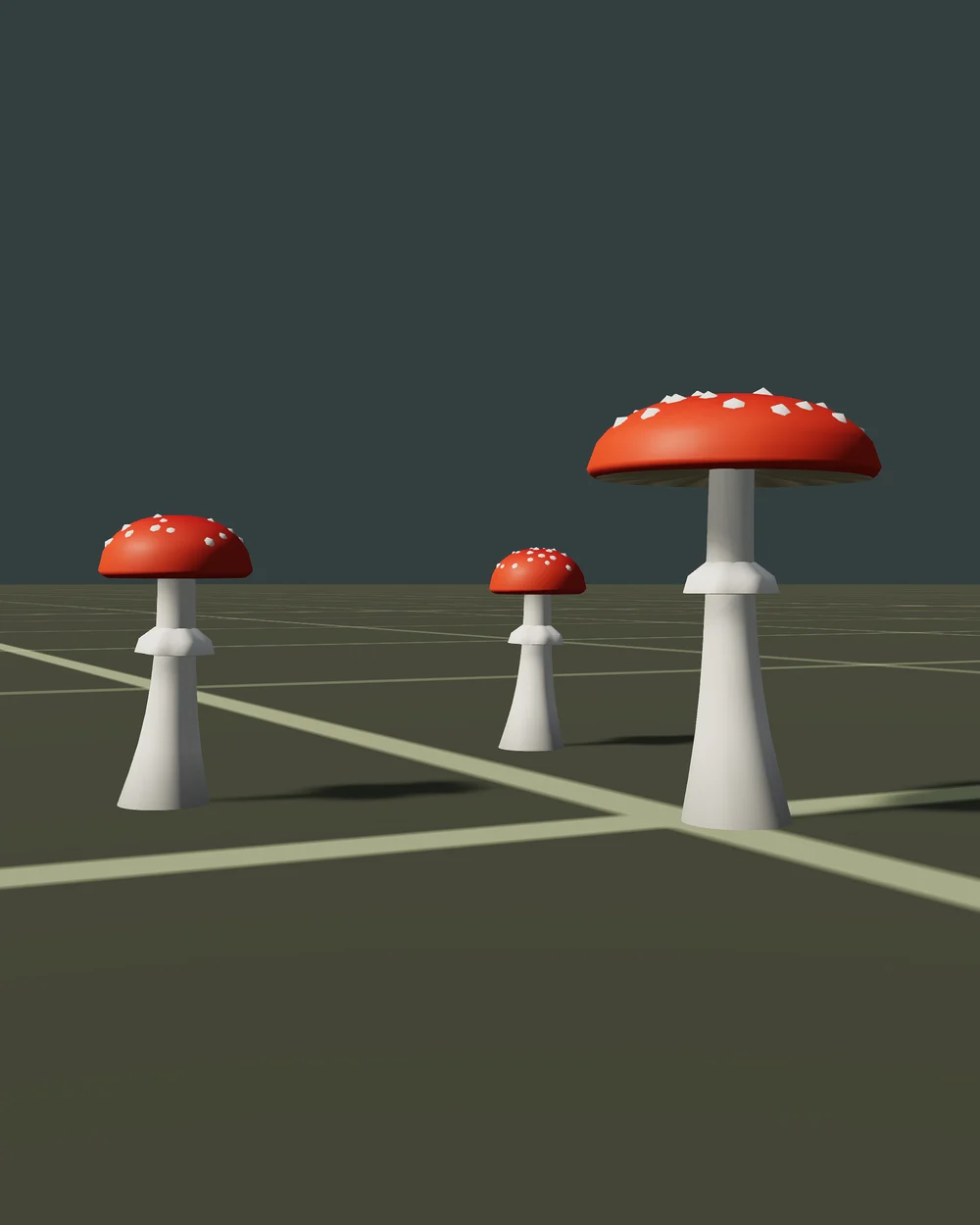
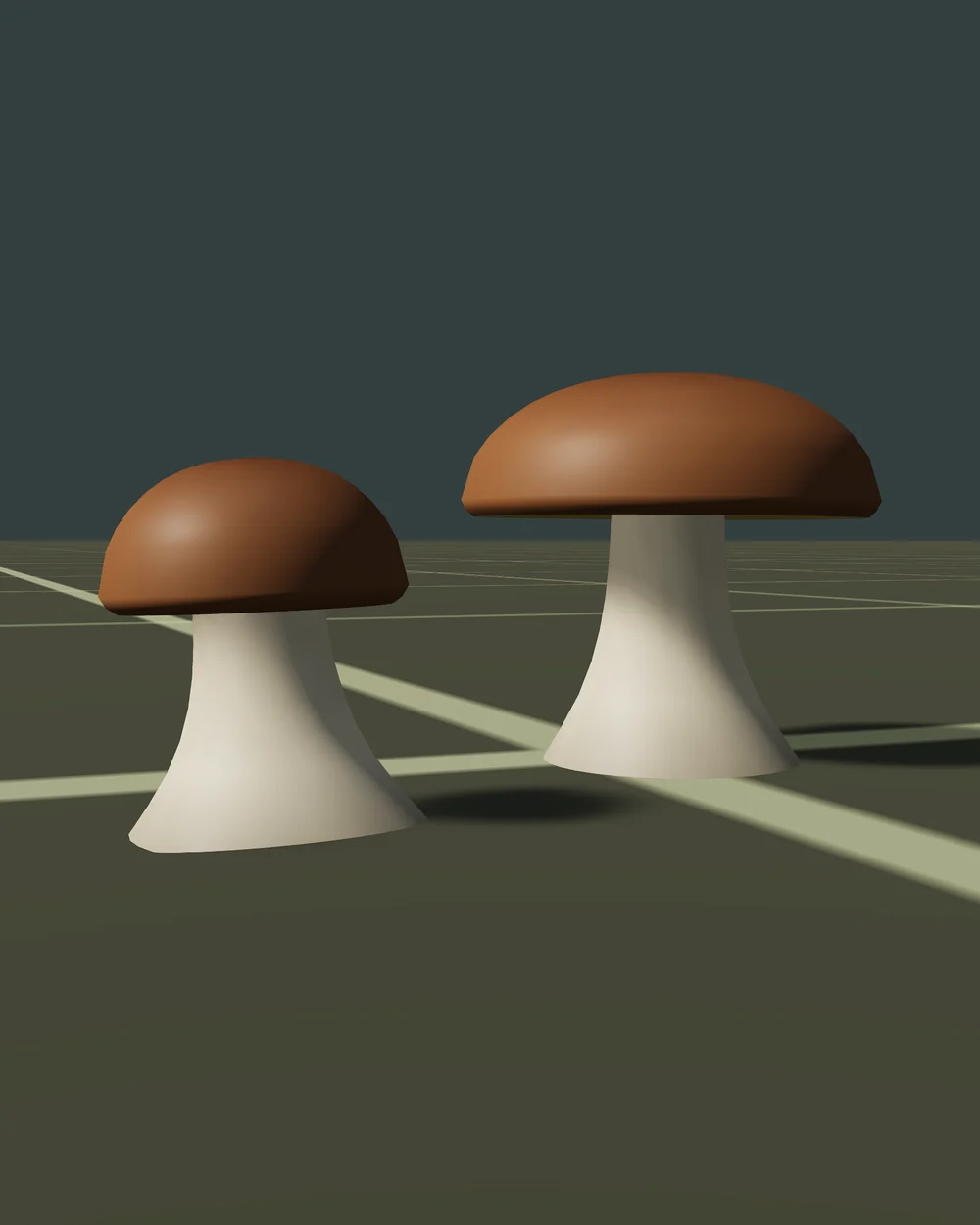
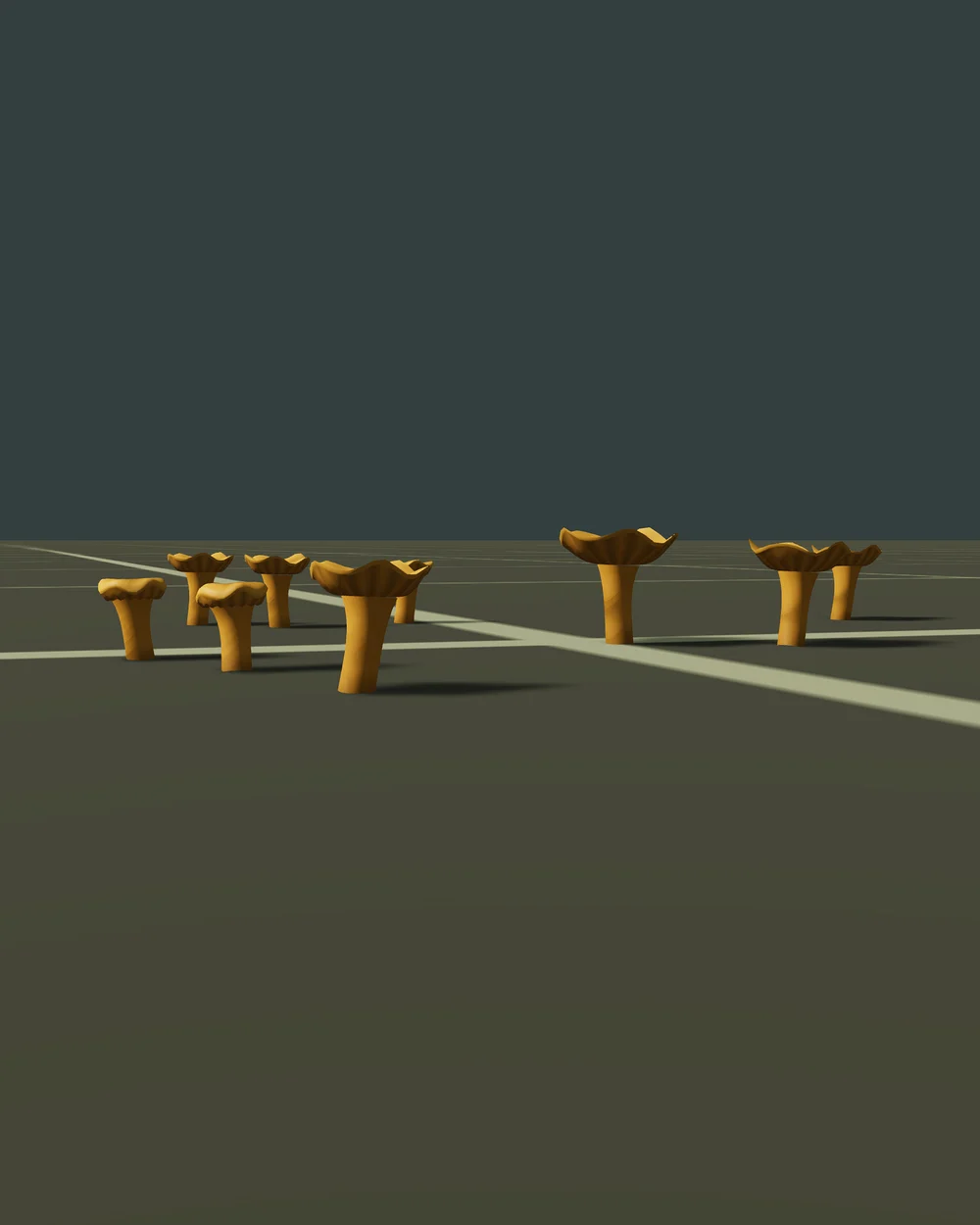
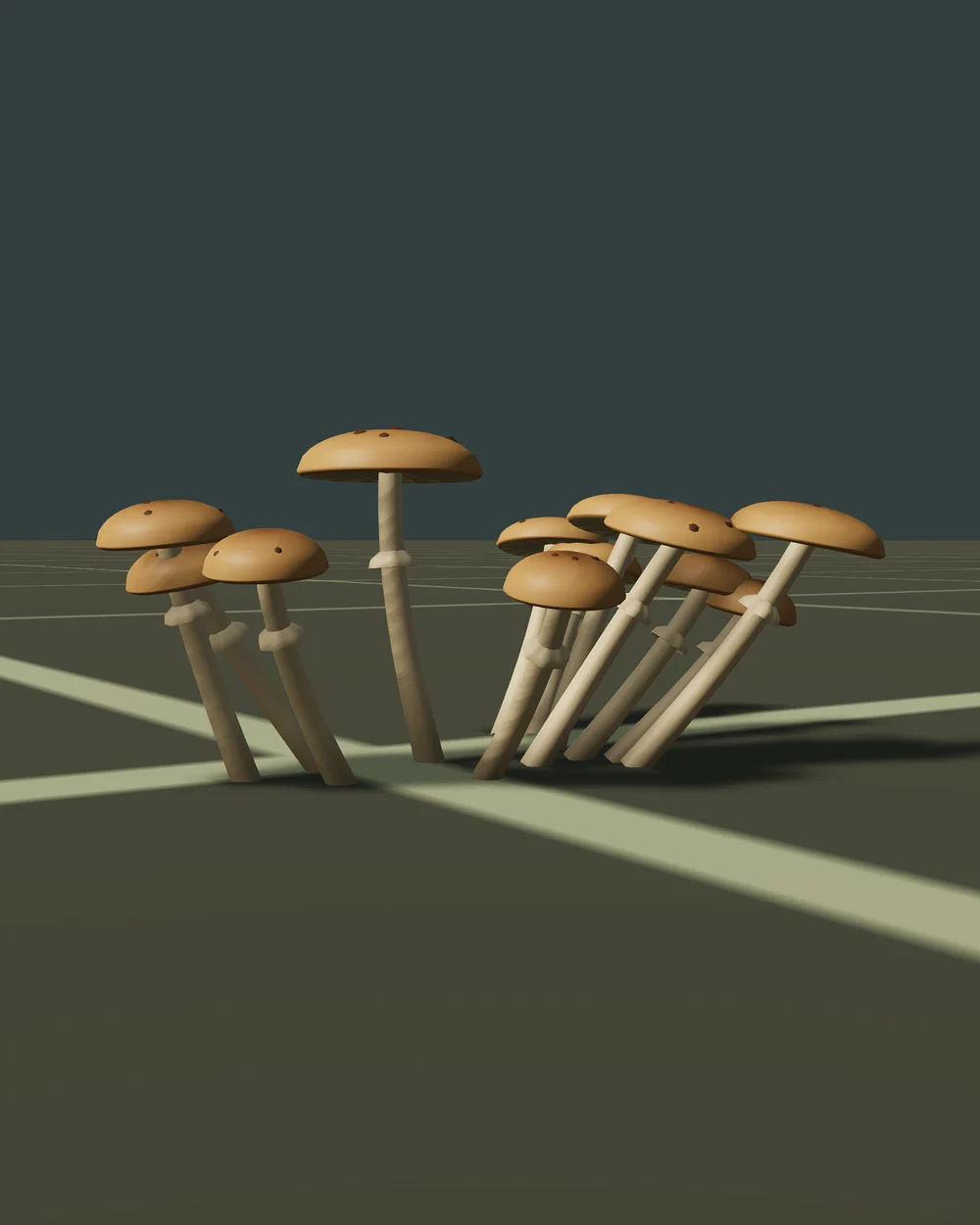
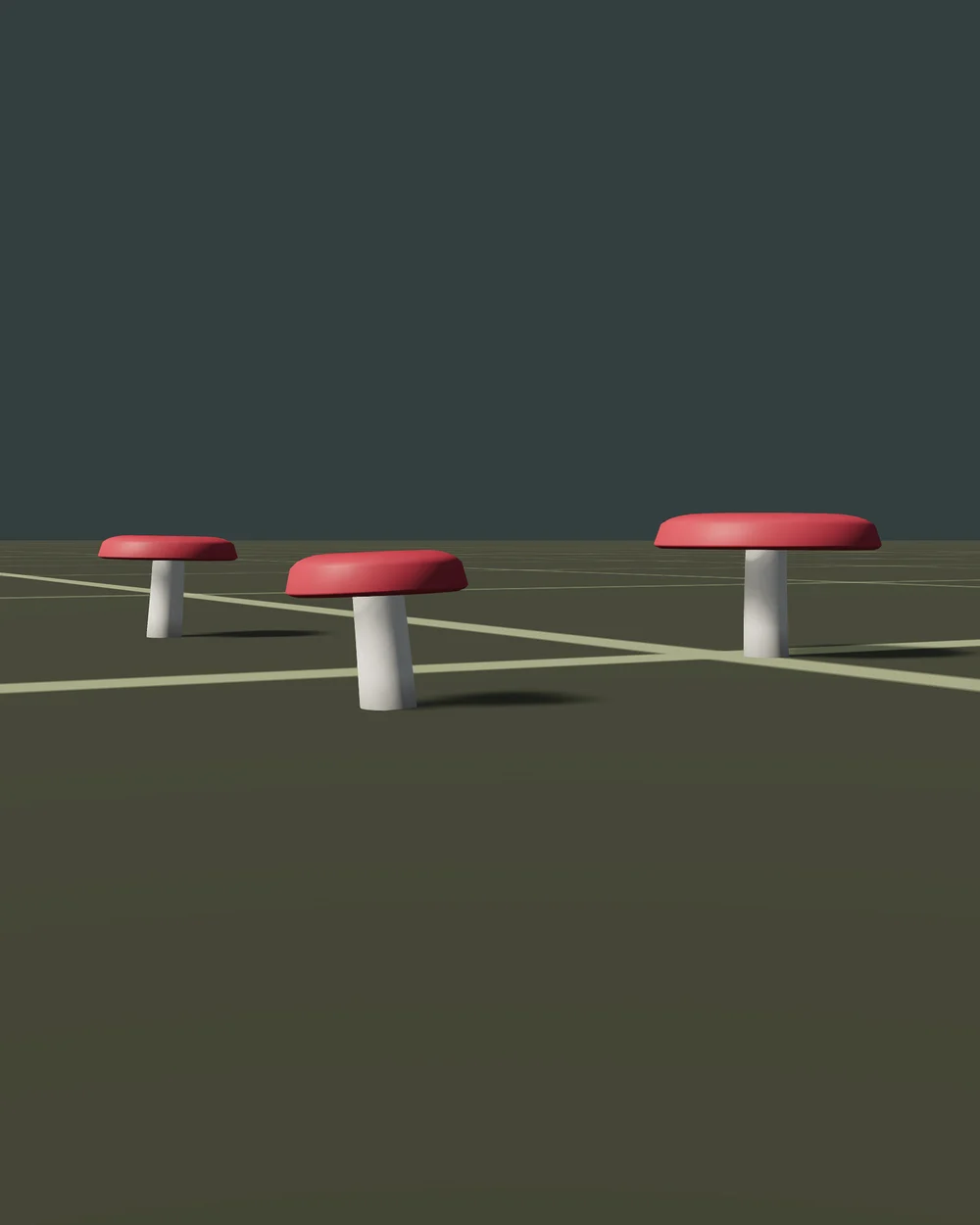
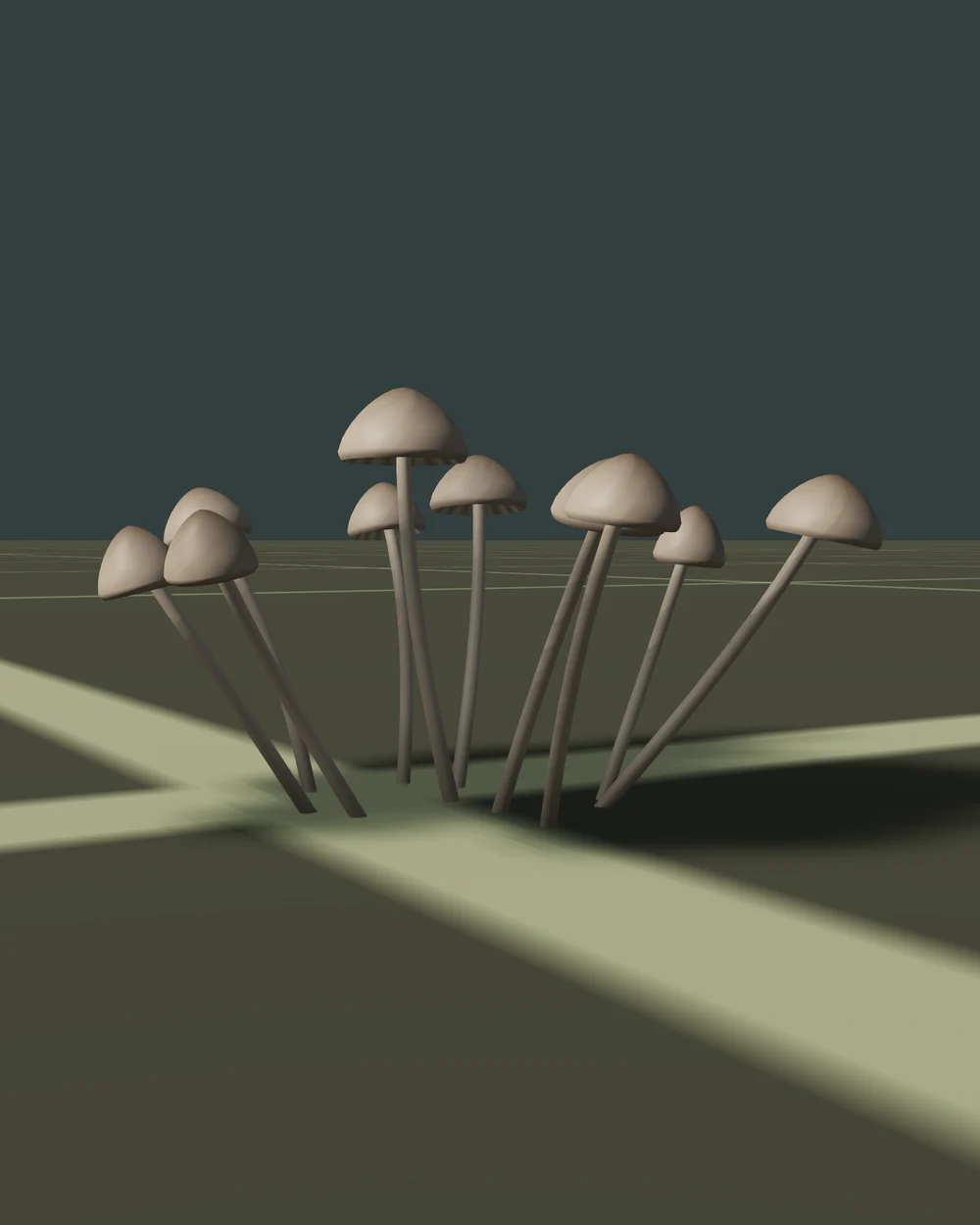
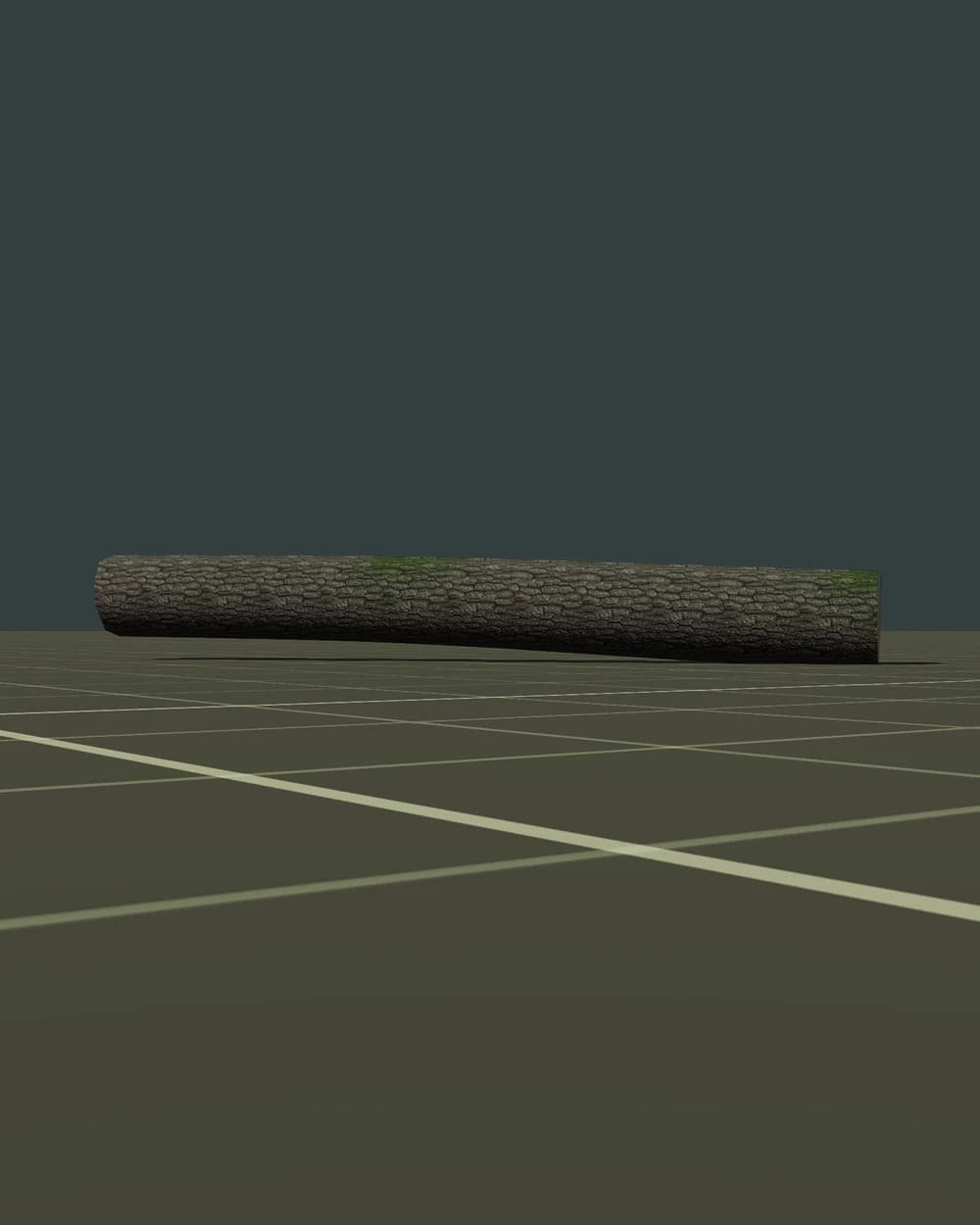
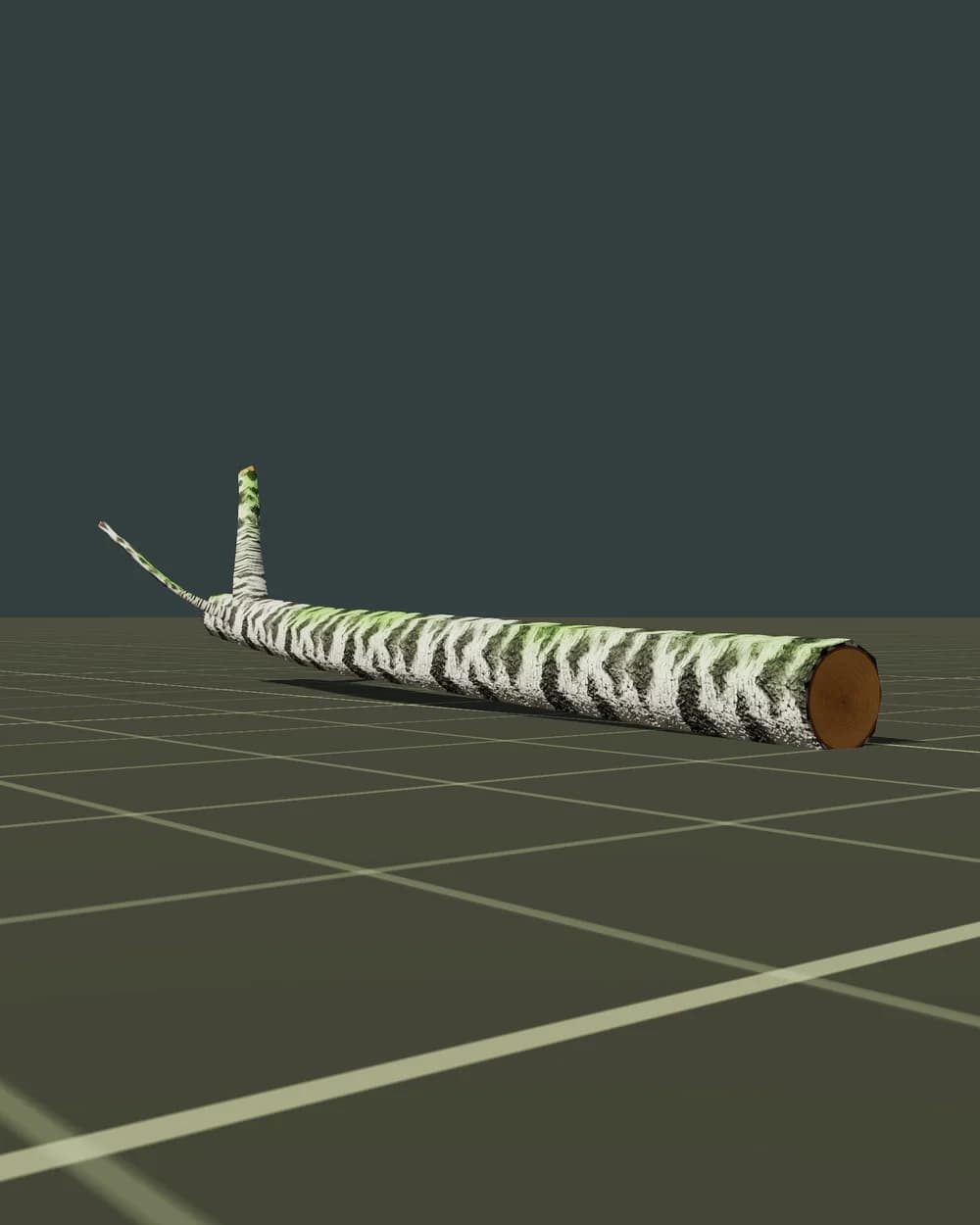
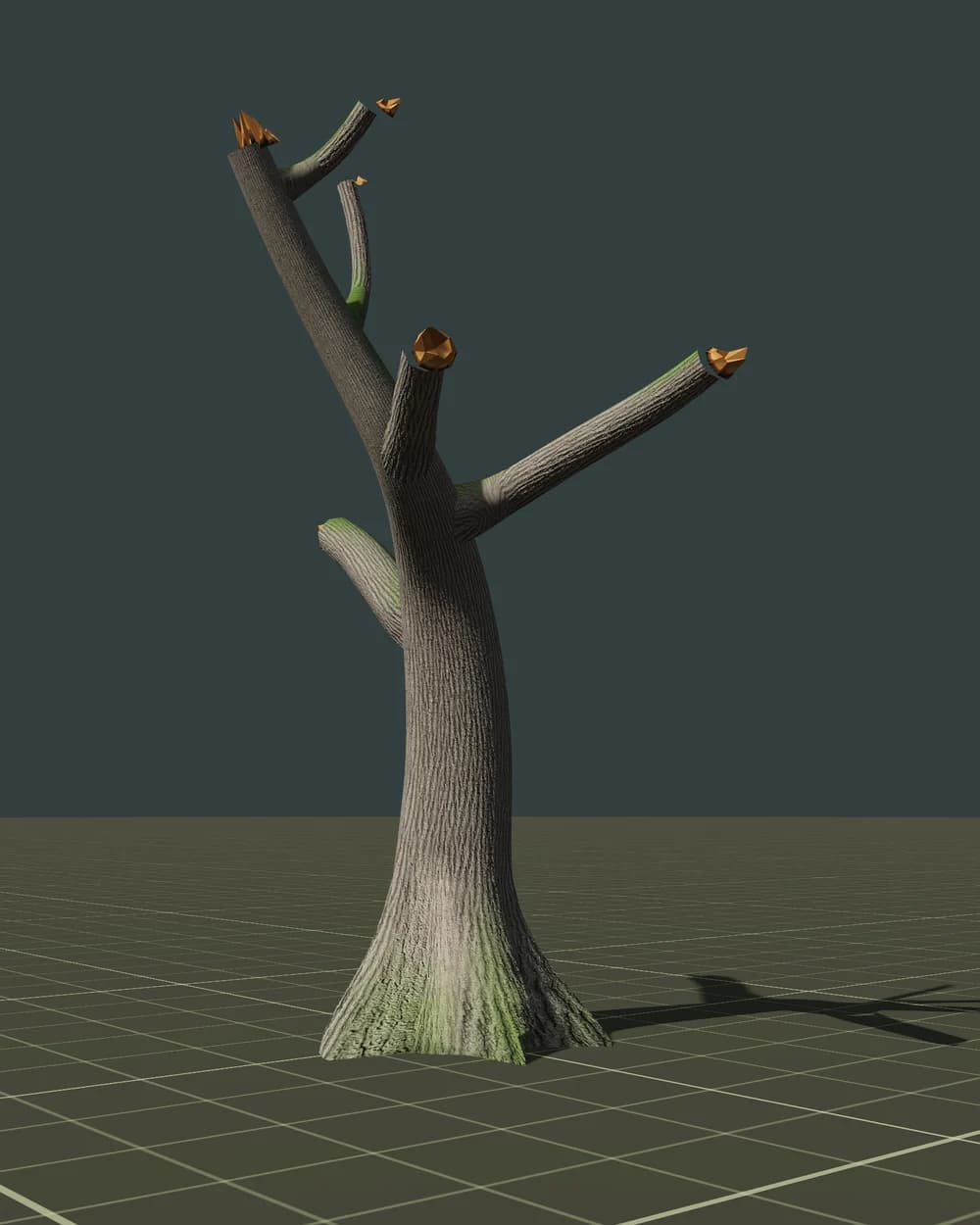
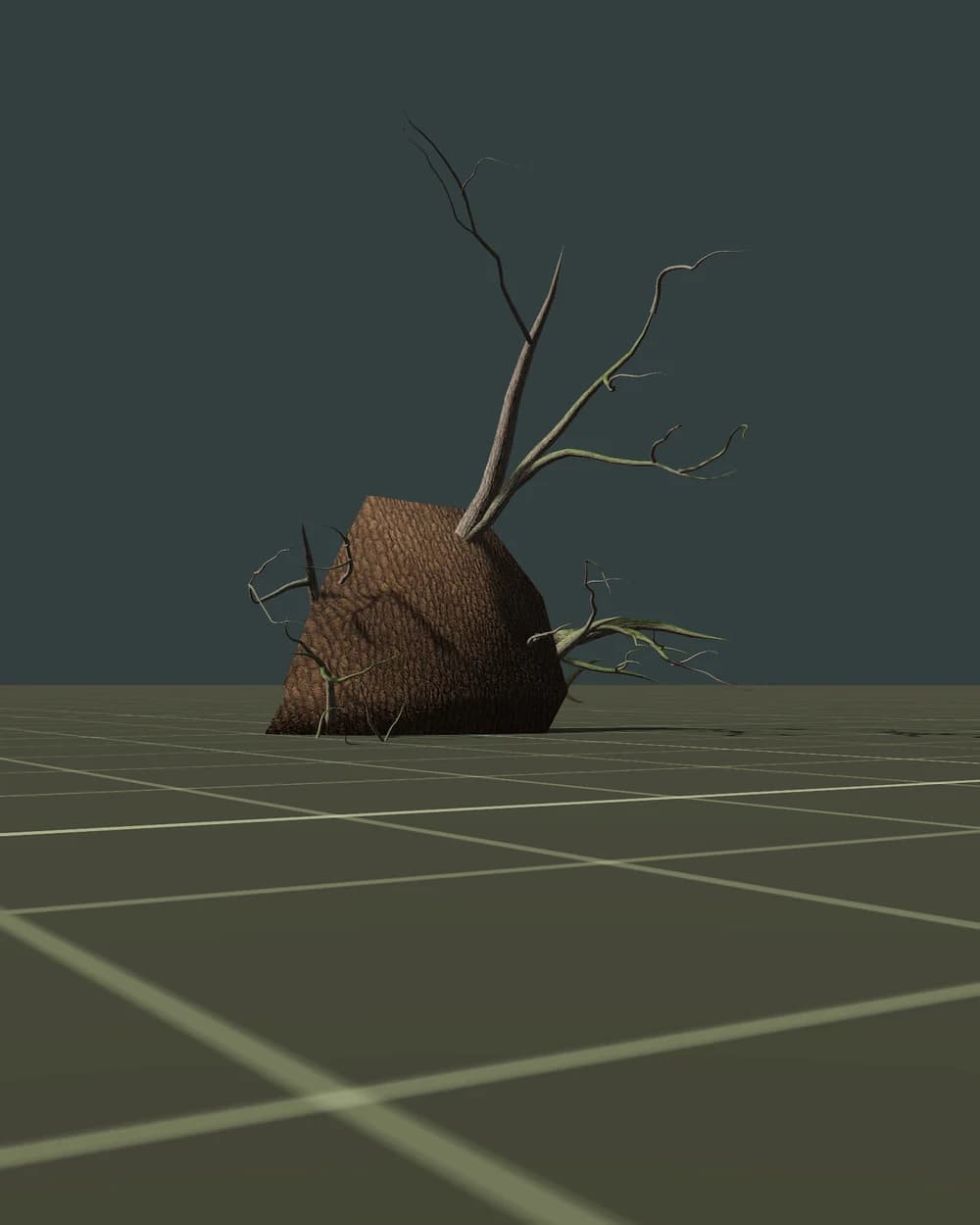
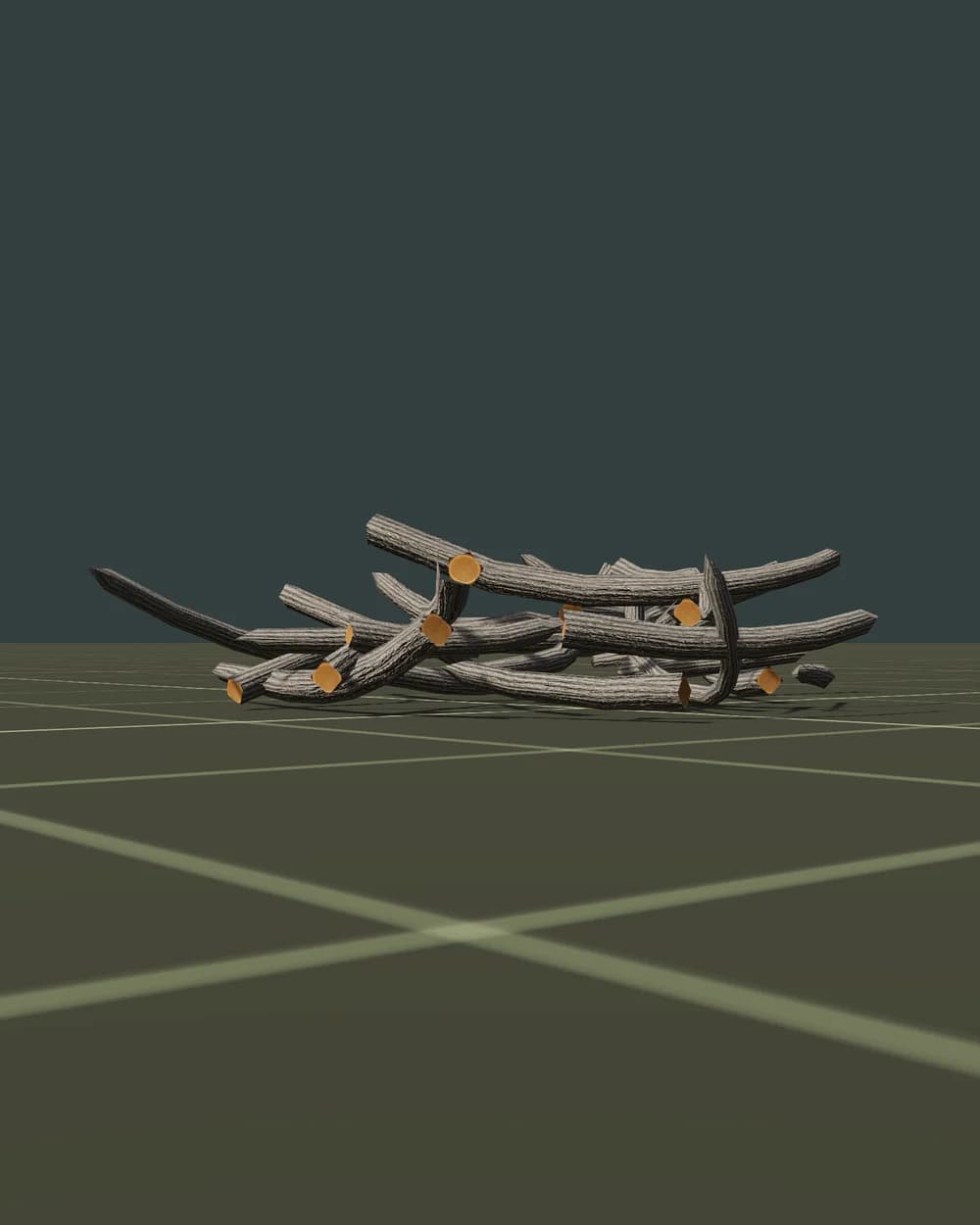
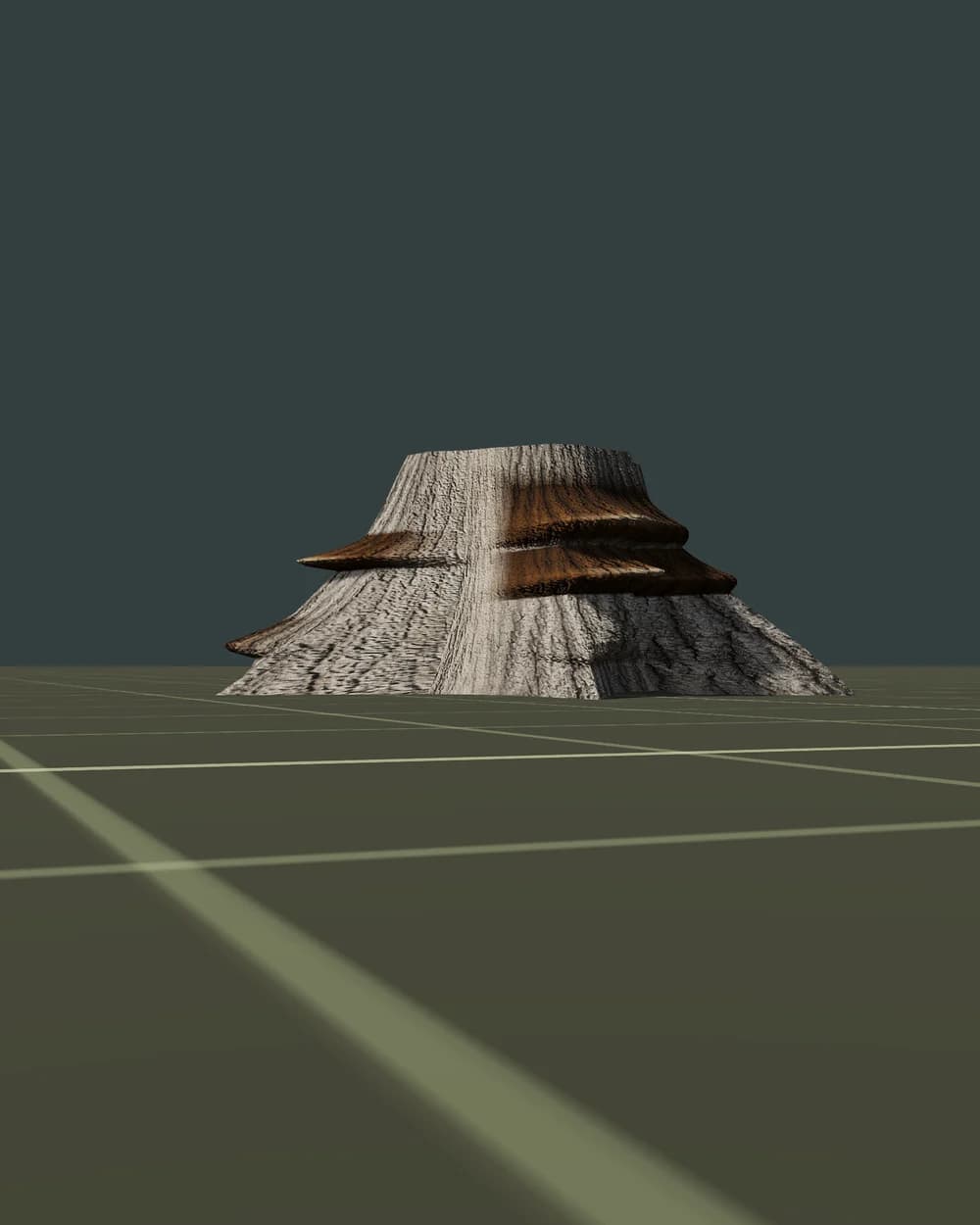
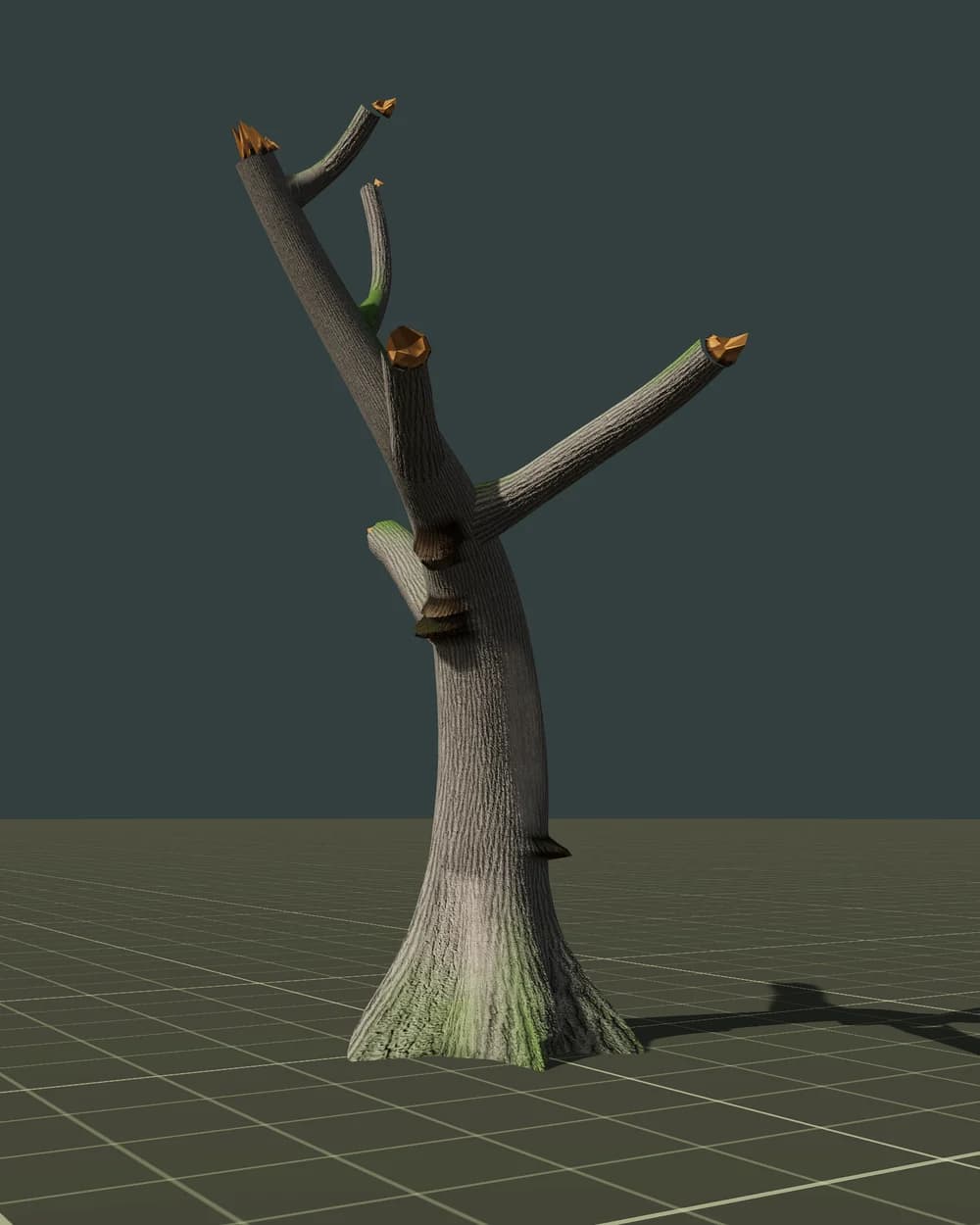
Vegetation for Godot 4 in its native format: GLB scenes with LODs, alpha-cut foliage and collision. This group covers the litter of a forest floor: mushrooms such as fly agaric, porcini, chanterelles, honey fungus, russulas and bonnets, plus fallen logs, a birch log, snags with bracket fungi, a stump, a root plate and piles of brushwood. They make woodland feel lived-in. Each model ships with LOD0 to LOD3, collision and a pivot at the base, so logs and stumps sit solidly on uneven ground. Snags and root plates act as landmarks, while mushrooms and brushwood fill gaps. Every seed changes the cap shape, branching or bark pattern, and the models export as GLB, FBX and OBJ for Unity, Unreal Engine, Godot and Bevy. 13 game-ready models in this selection. Every model has LOD0–LOD3, collision and a pivot at the base, and each new seed gives a new variation of the same species.

Models
13
Levels of detail
LOD0 – LOD3
Formats
GLB · FBX · OBJ

Using it in Godot

Godot 4 imports GLB/glTF natively — drop the file into the project — and FBX through the built-in ufbx importer (Godot 4.3+).

  • Godot generates mesh LODs on import automatically. To use the hand-made LOD0–LOD3 instead, put them in separate MeshInstance3D nodes with Visibility Range Begin/End and a fade mode — Godot's HLOD system.
  • Node-name suffixes such as -col or -colonly create collision shapes on import; collision can also be set up in Advanced Import Settings.
  • Leaves: StandardMaterial3D with Transparency = Alpha Scissor and Cull Mode Disabled; glTF alphaMode MASK maps to this automatically.
  • For forests, MultiMeshInstance3D draws thousands of copies in one call, and visibility ranges work on it too.
Other categories

Same in other styles

Same for other engines