FoliMesh

Mushrooms and deadwood for three.js

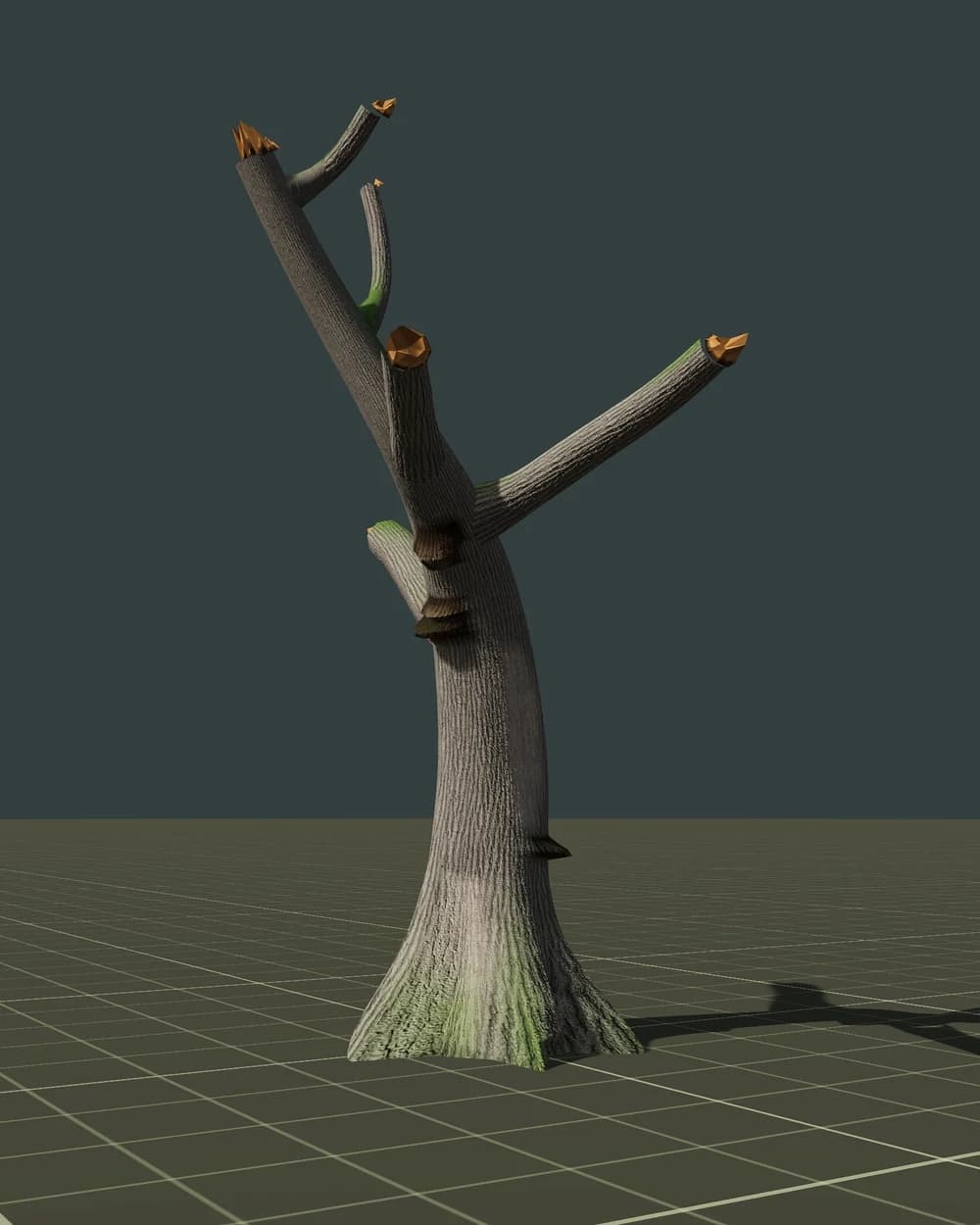
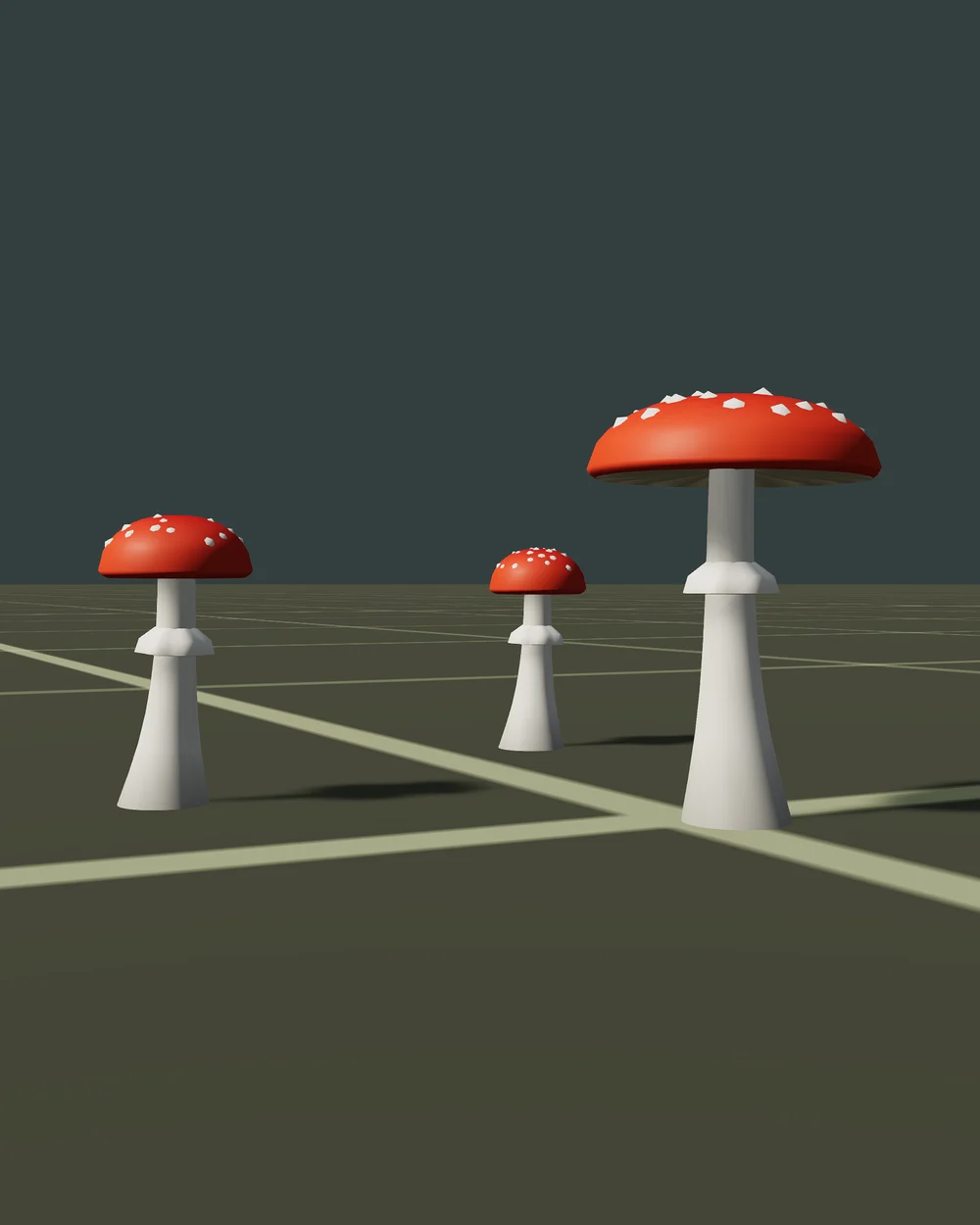
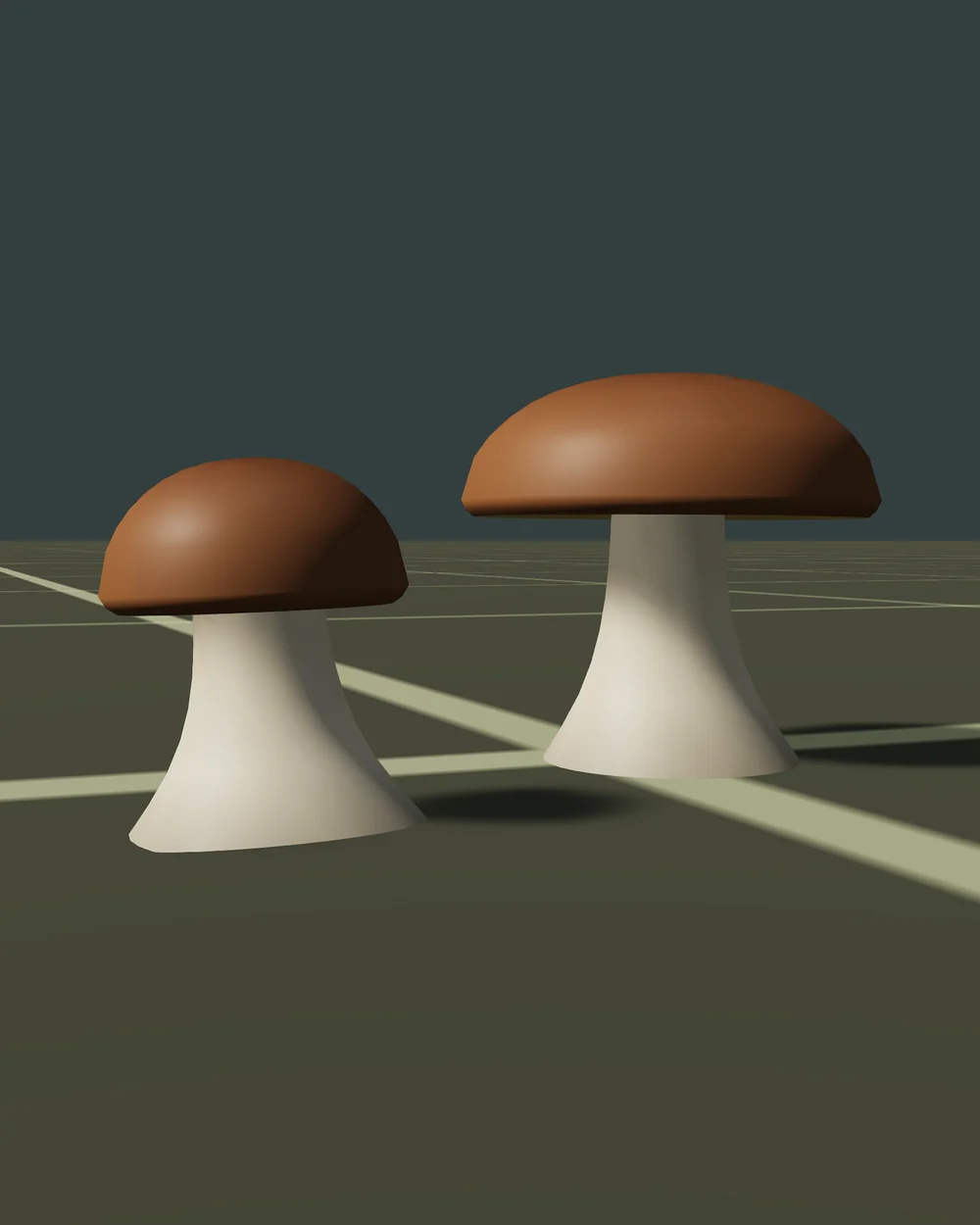
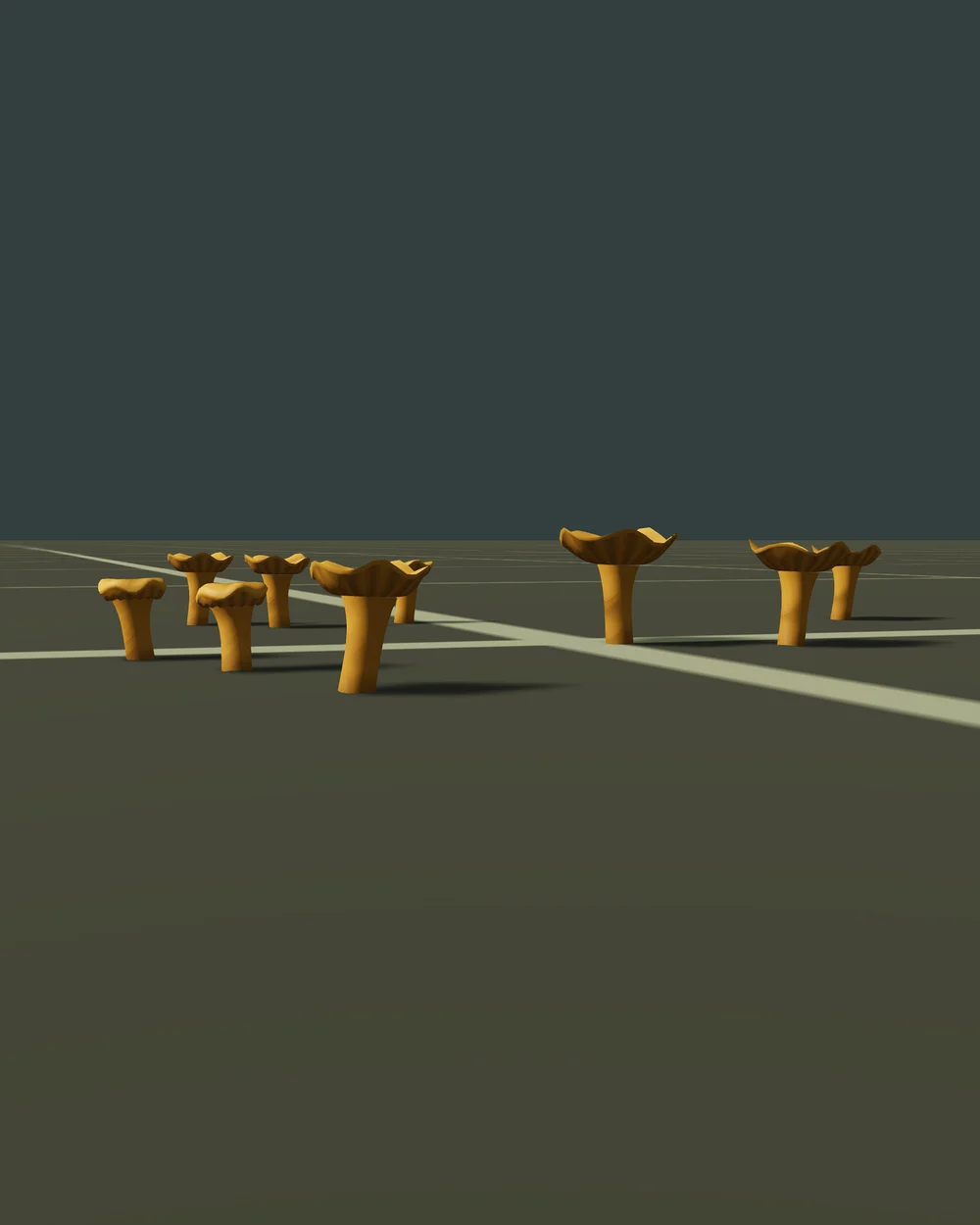
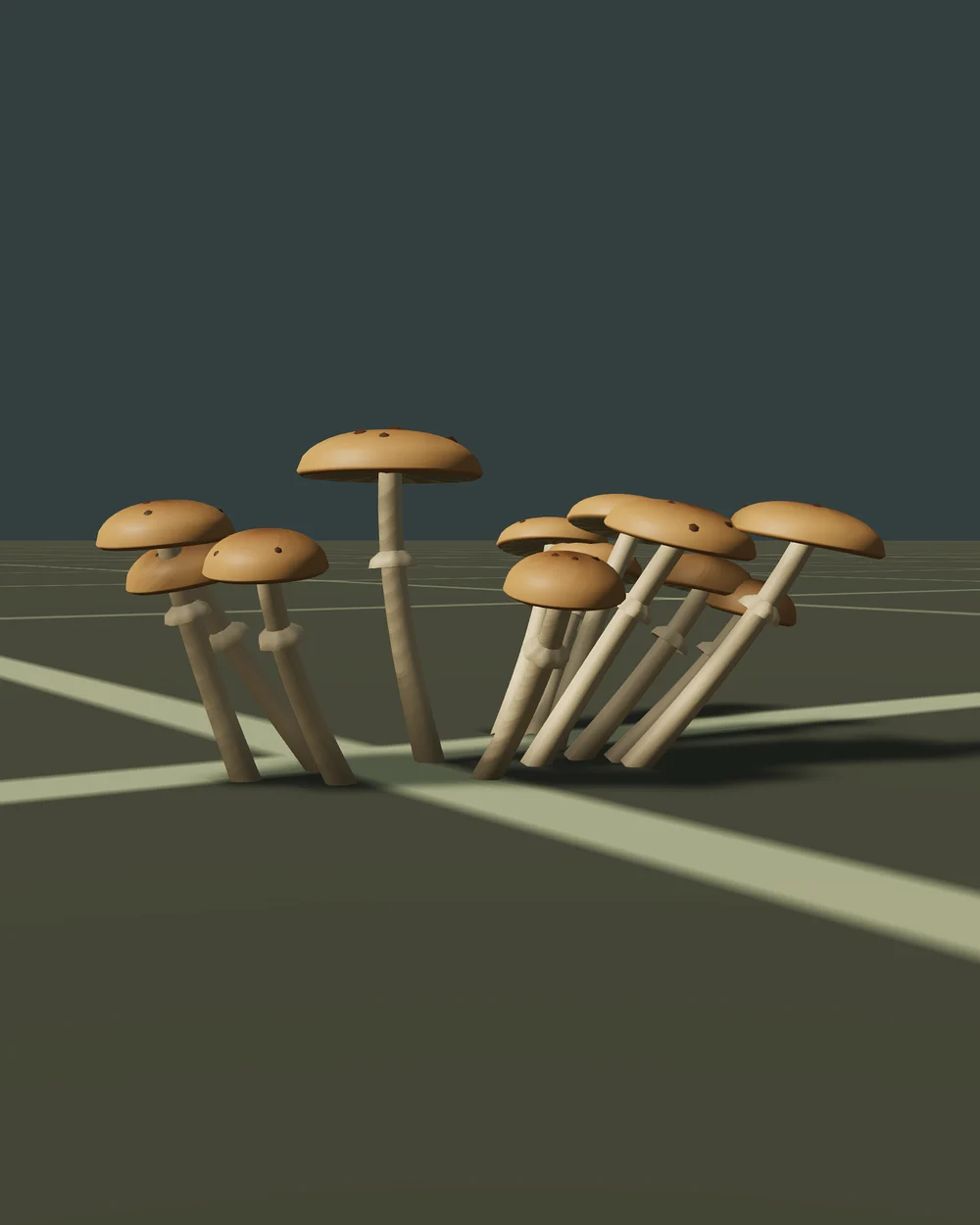
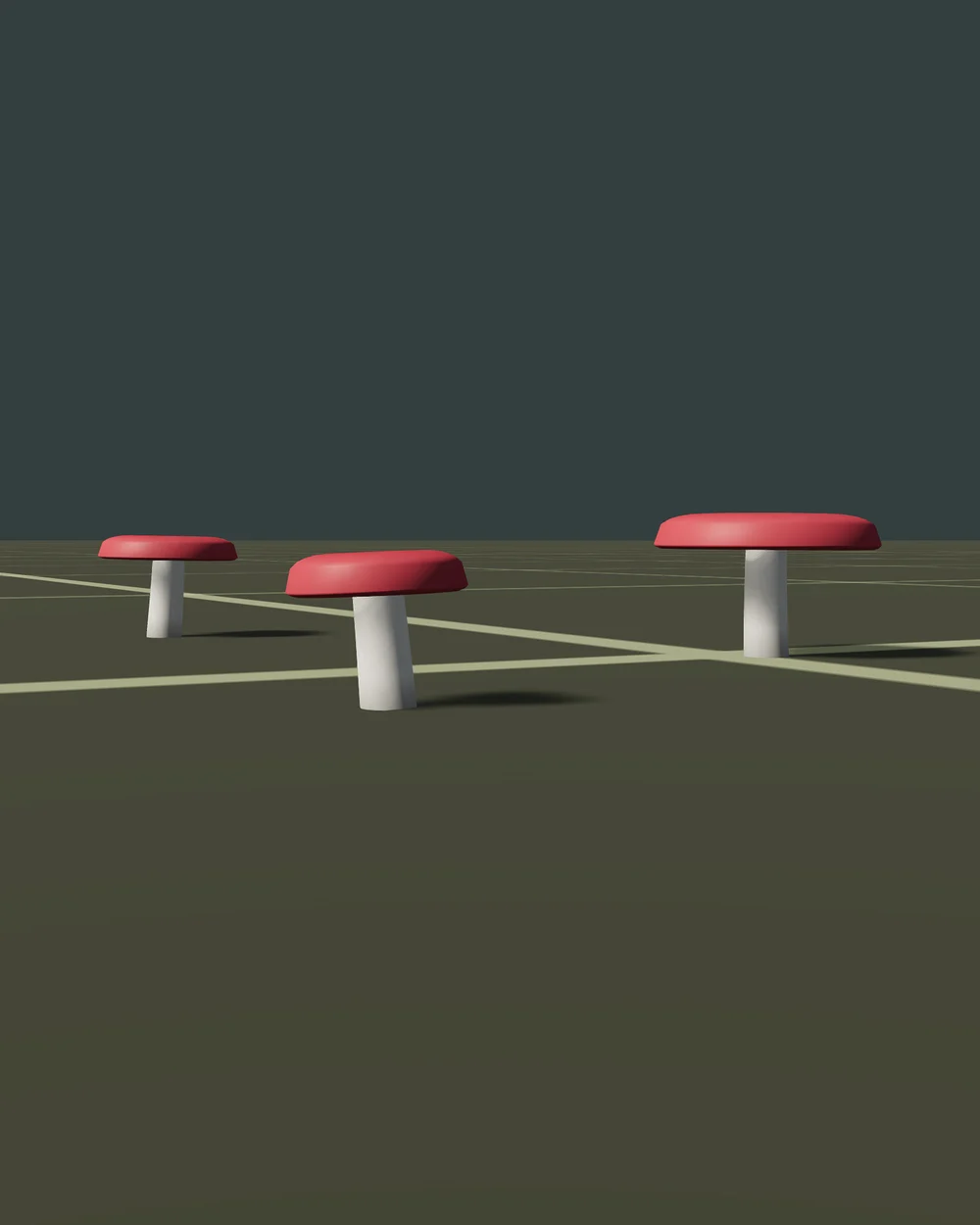
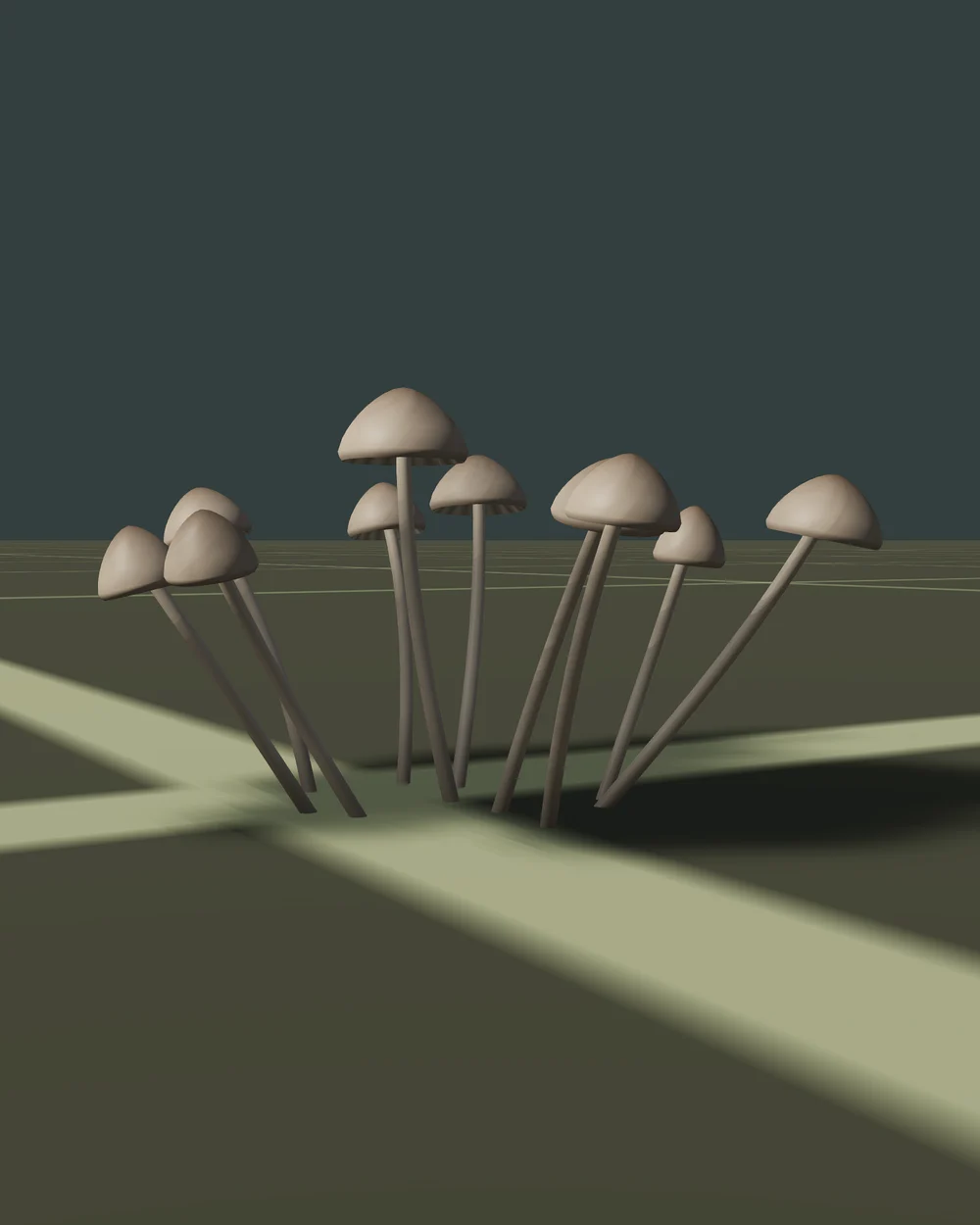
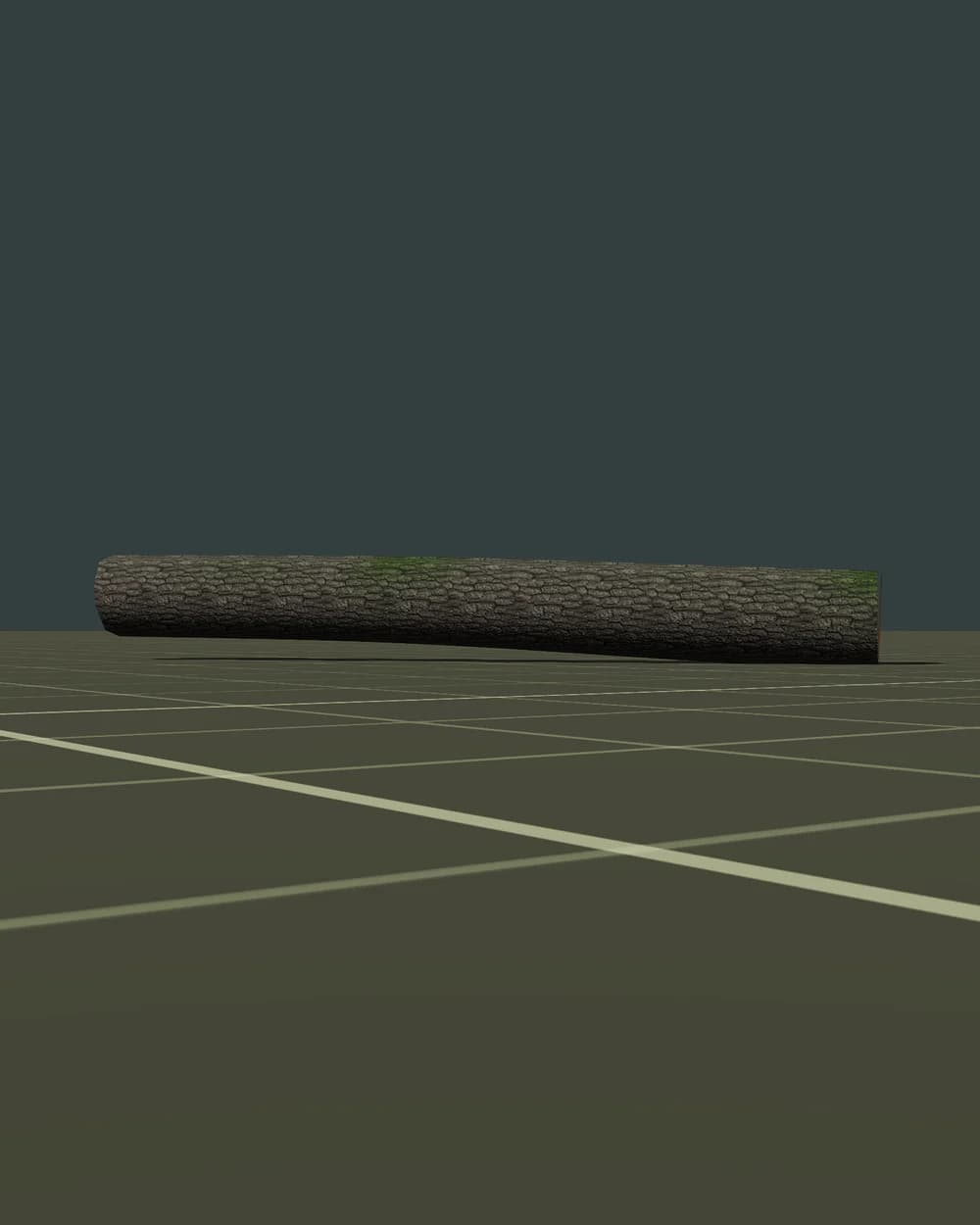
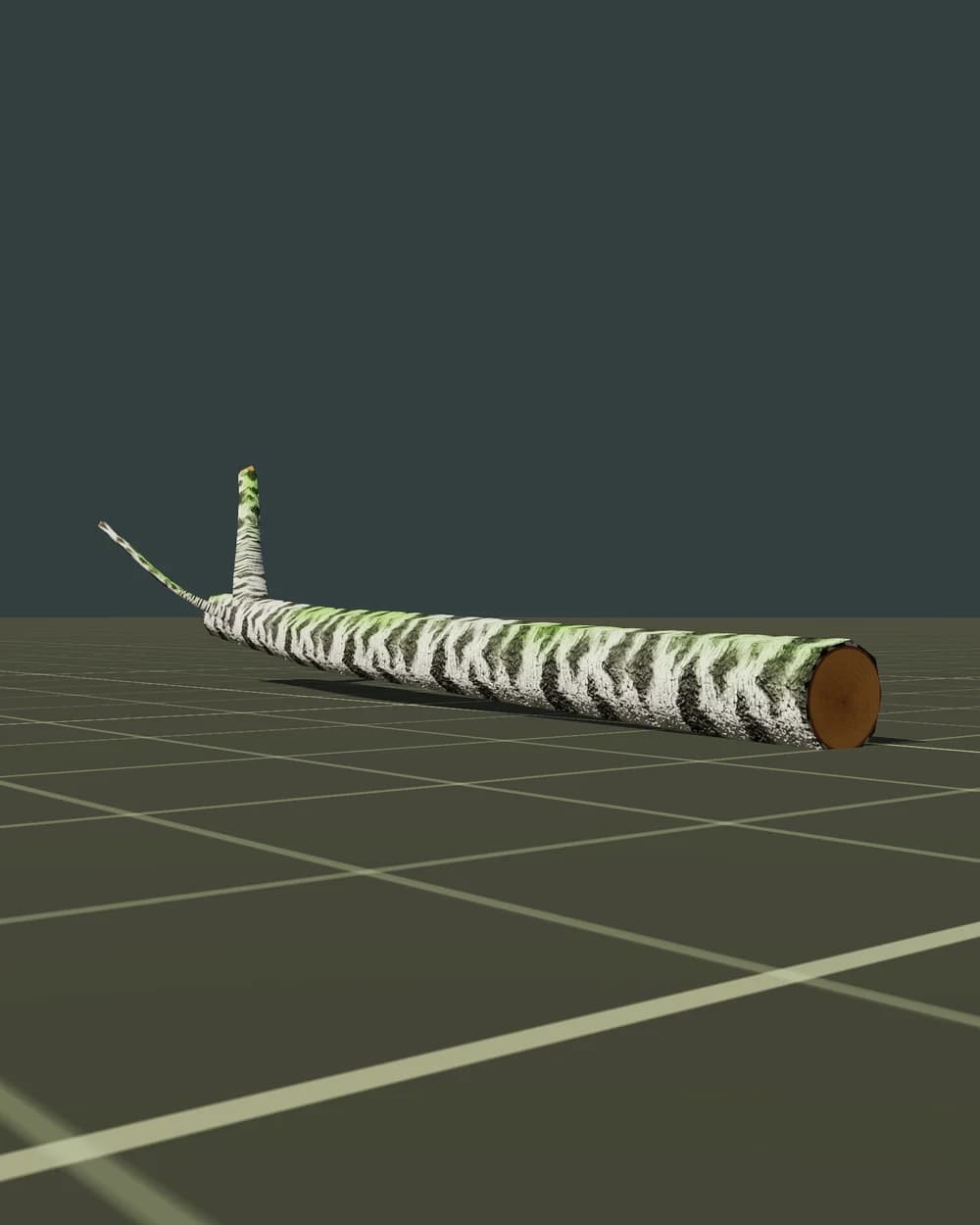
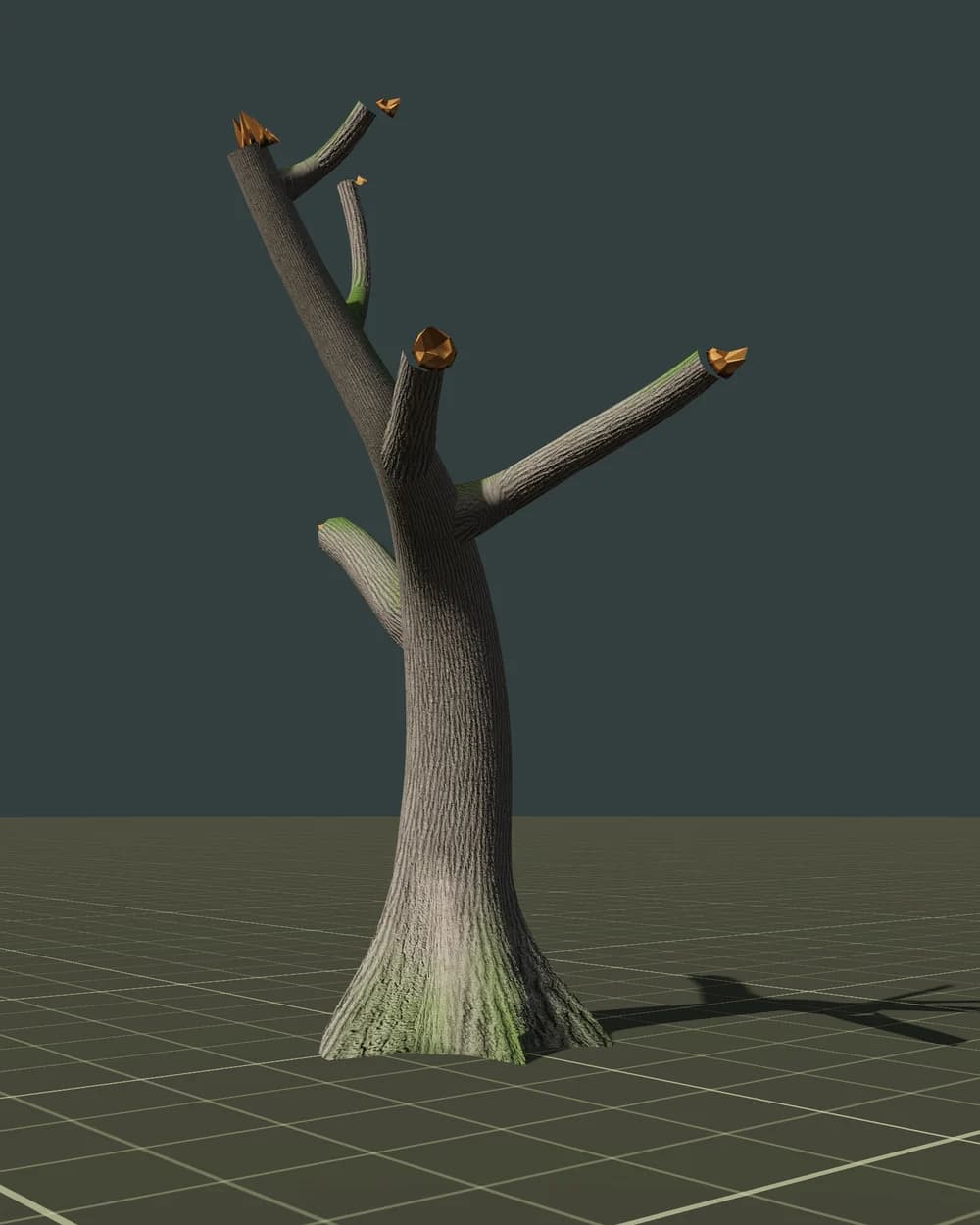
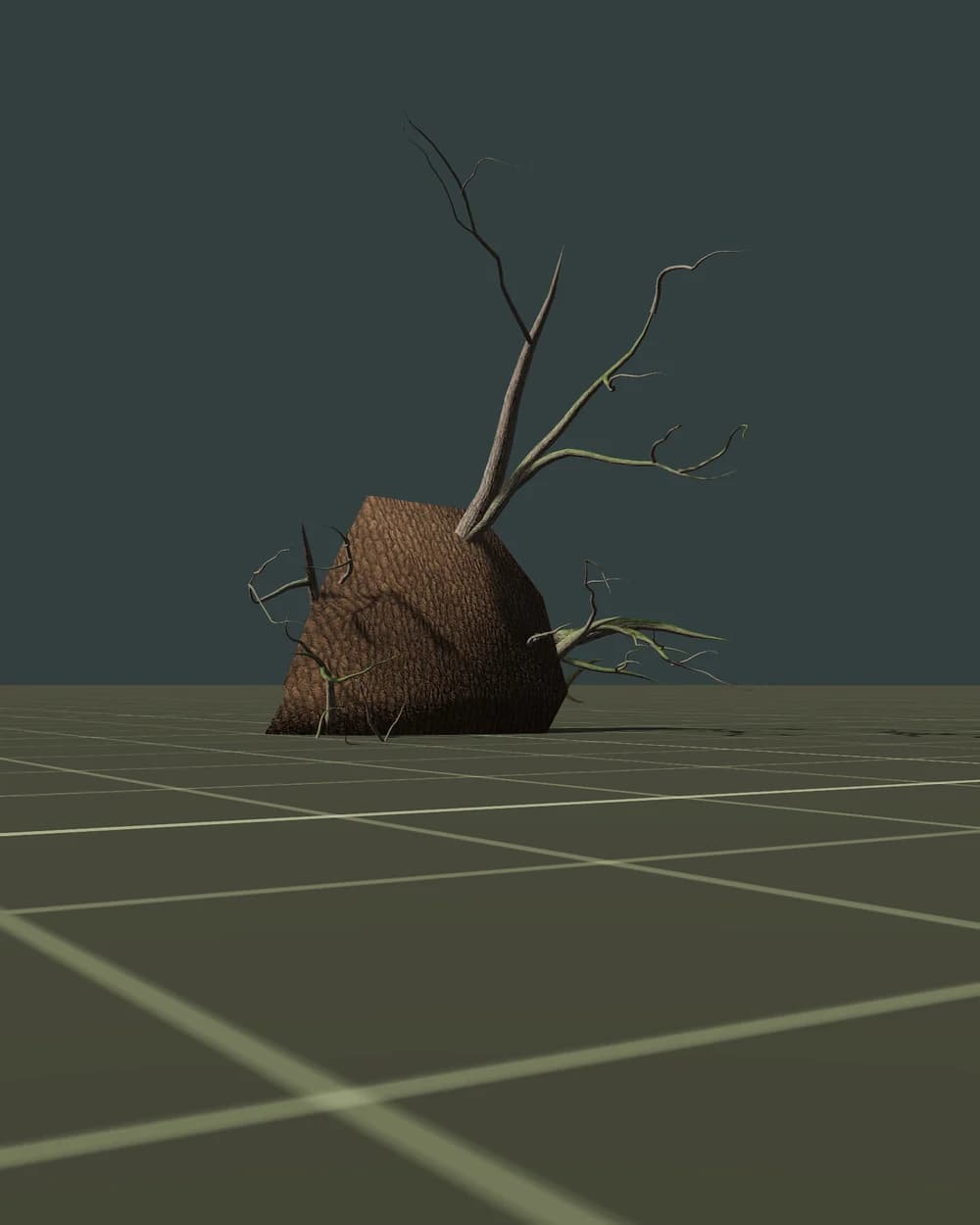
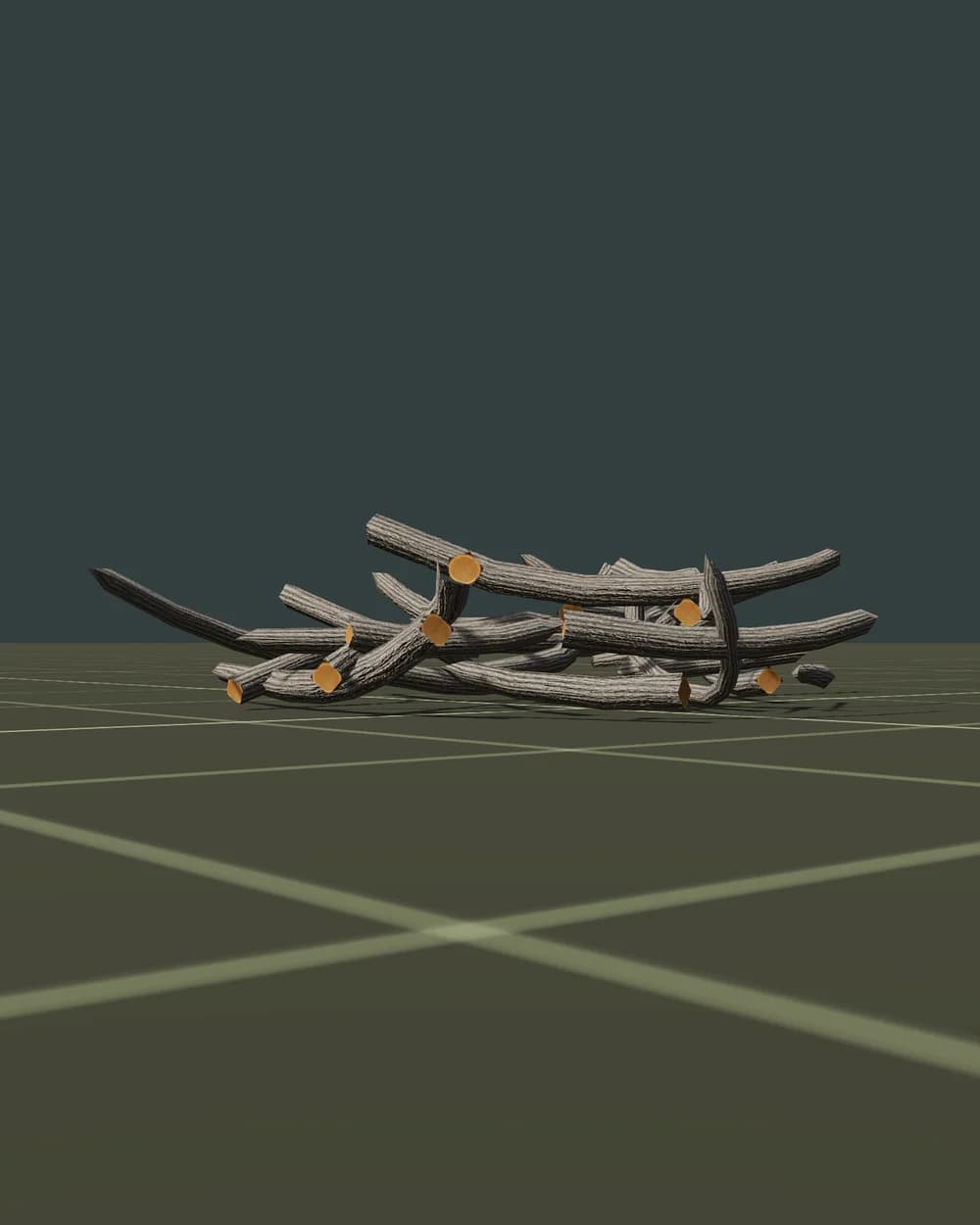
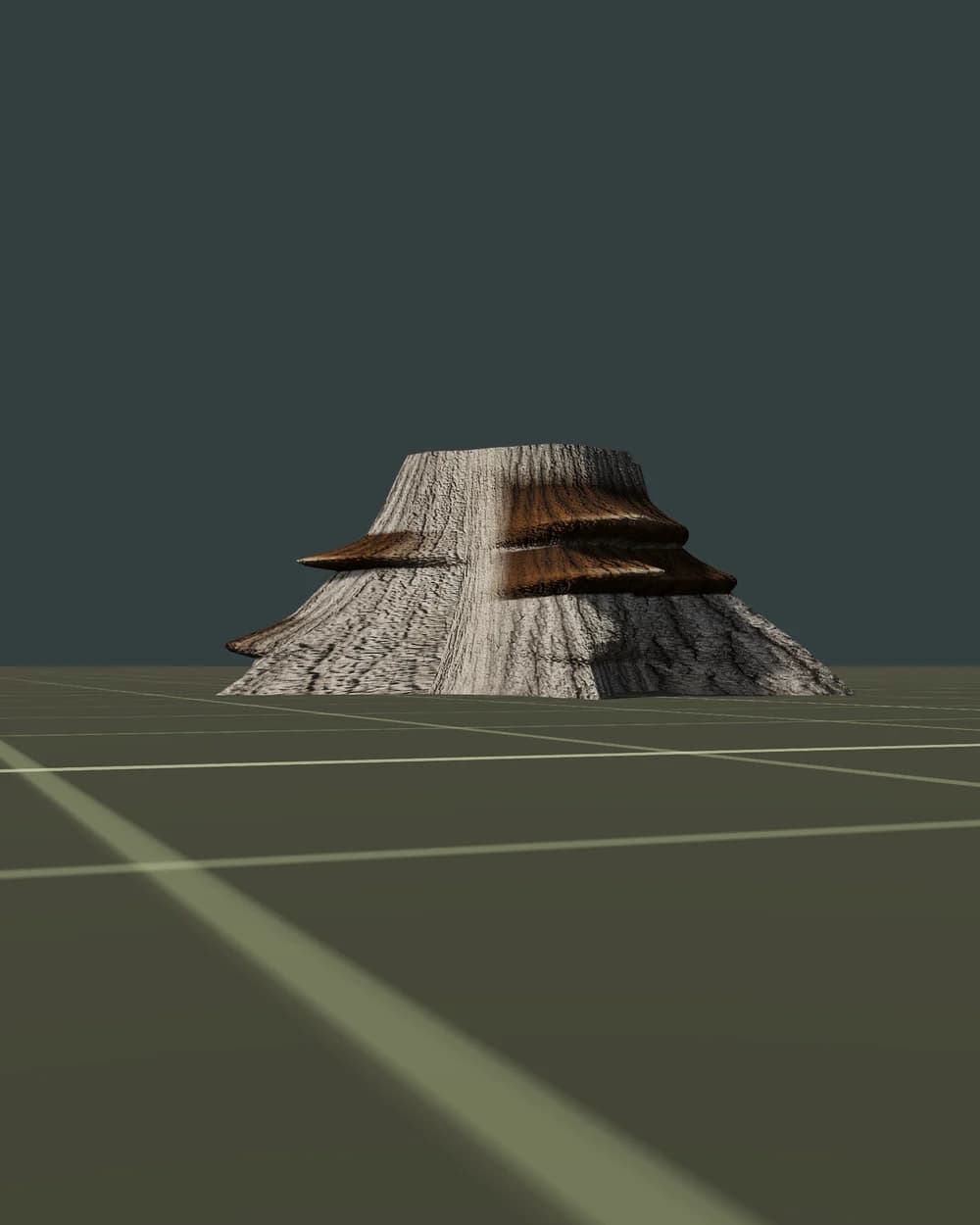
Light GLB vegetation for the web: load it with GLTFLoader, wire the LOD meshes into THREE.LOD and your scene has a forest. This group covers the litter of a forest floor: mushrooms such as fly agaric, porcini, chanterelles, honey fungus, russulas and bonnets, plus fallen logs, a birch log, snags with bracket fungi, a stump, a root plate and piles of brushwood. They make woodland feel lived-in. Each model ships with LOD0 to LOD3, collision and a pivot at the base, so logs and stumps sit solidly on uneven ground. Snags and root plates act as landmarks, while mushrooms and brushwood fill gaps. Every seed changes the cap shape, branching or bark pattern, and the models export as GLB, FBX and OBJ for Unity, Unreal Engine, Godot and Bevy. 13 game-ready models in this selection. Every model has LOD0–LOD3, collision and a pivot at the base, and each new seed gives a new variation of the same species.

Models
13
Levels of detail
LOD0 – LOD3
Formats
GLB · FBX · OBJ

Using it in three.js

In three.js, load GLB with GLTFLoader from three/addons; add DRACOLoader or KTX2Loader only if a file uses those extensions.

  • Distance LOD: THREE.LOD with lod.addLevel(mesh, distance) for LOD0–LOD3; it switches levels by camera distance every frame.
  • Forests: InstancedMesh draws thousands of copies in one draw call, and BatchedMesh mixes several tree variations. THREE.LOD does not apply per instance, so group instances by LOD per chunk yourself.
  • Leaves: glTF alphaMode MASK becomes material.alphaTest, and double-sided materials get side: THREE.DoubleSide automatically.
  • Collision mesh: keep it invisible and pass it to a physics library such as Rapier or cannon-es.

Works with both WebGLRenderer and WebGPURenderer.
Other categories

Same in other styles

Same for other engines