FoliMesh

Mushrooms and deadwood for Babylon.js

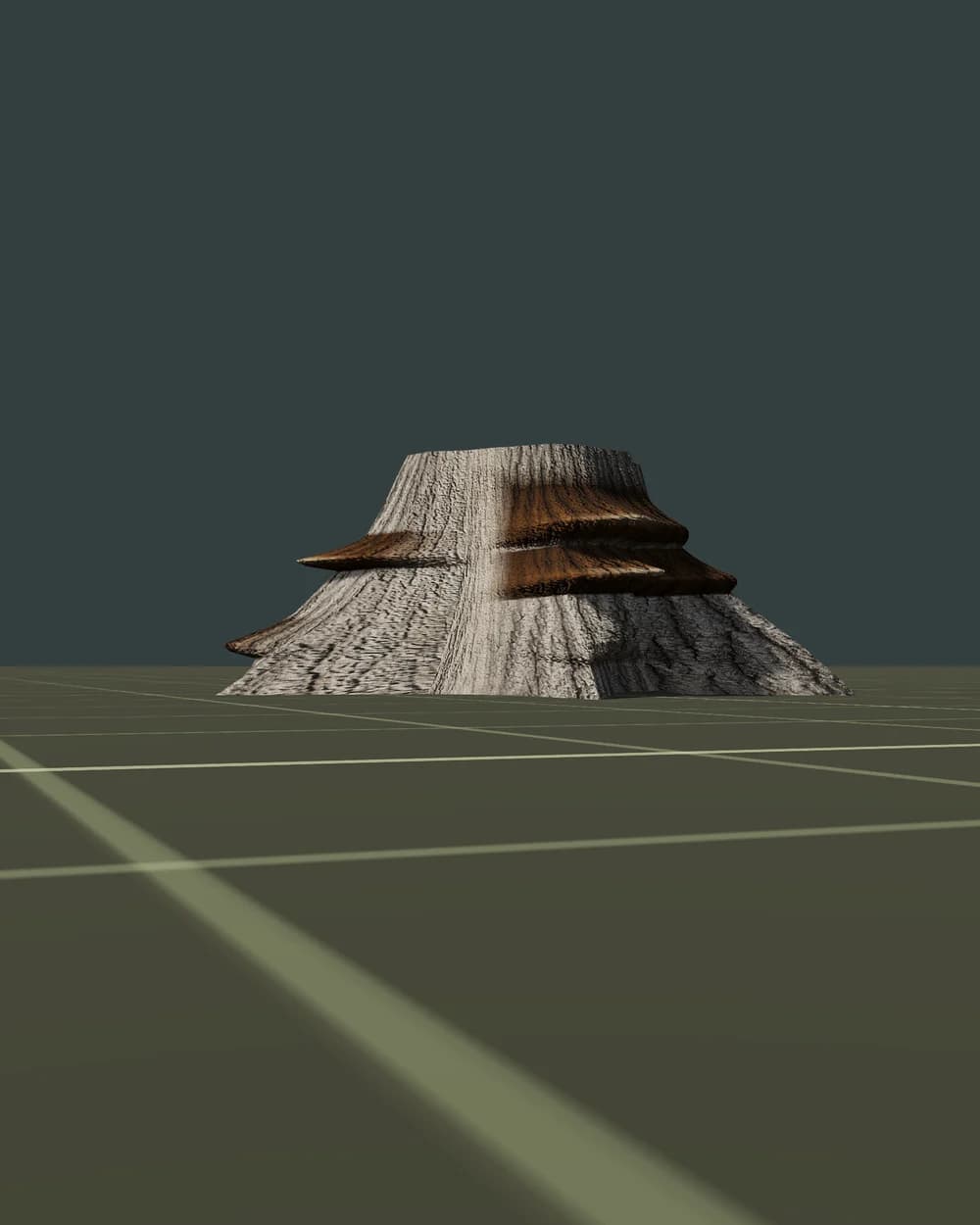
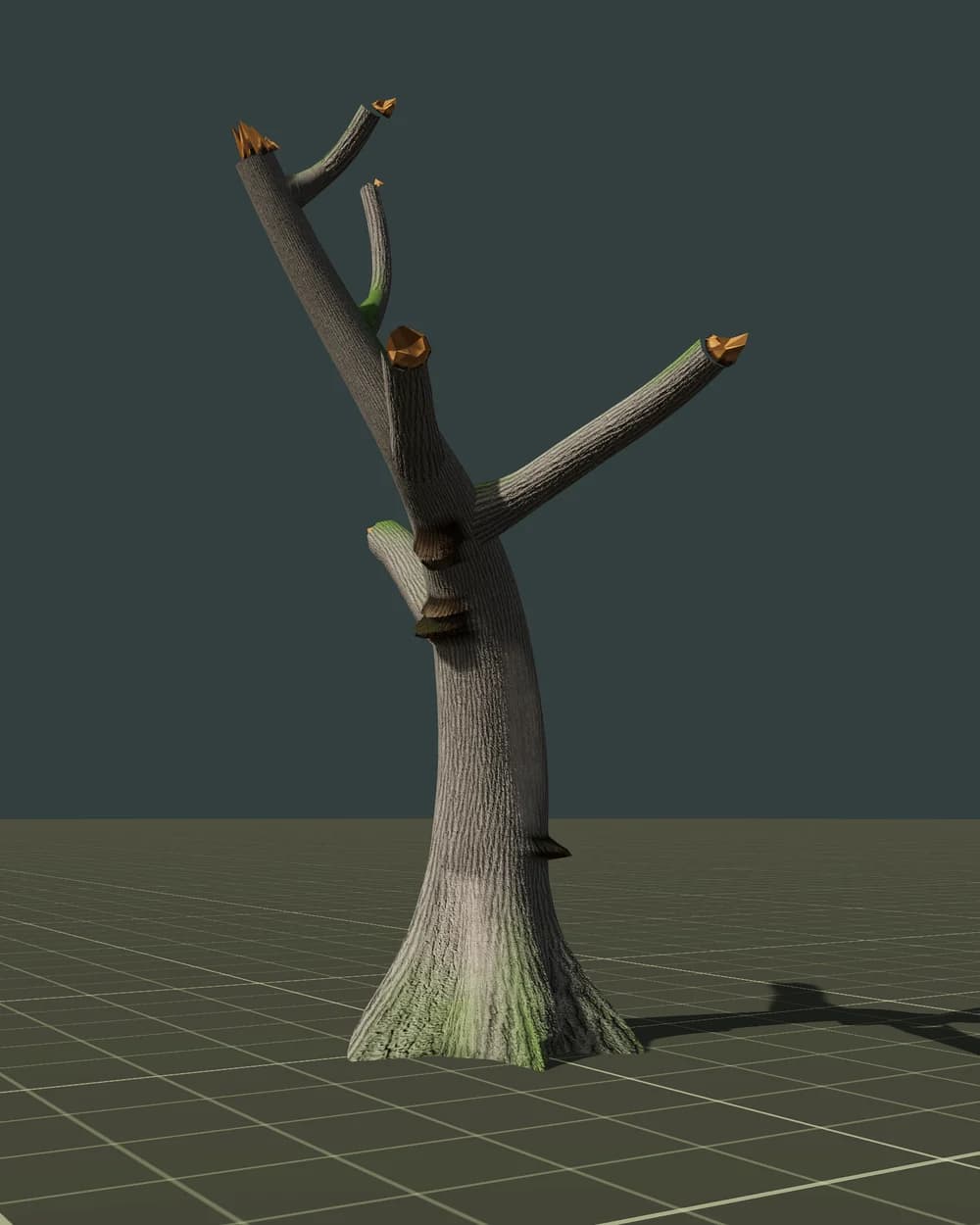
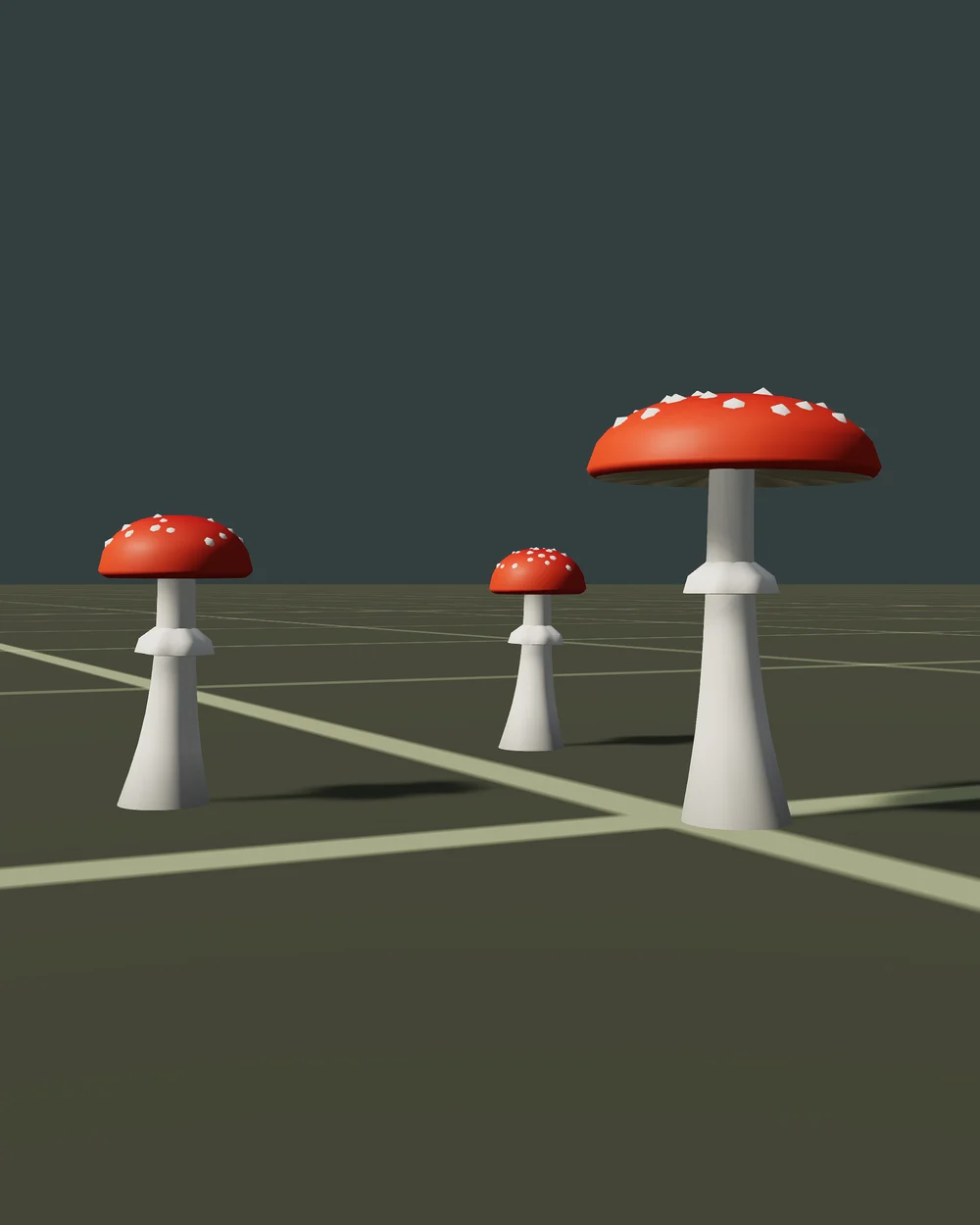
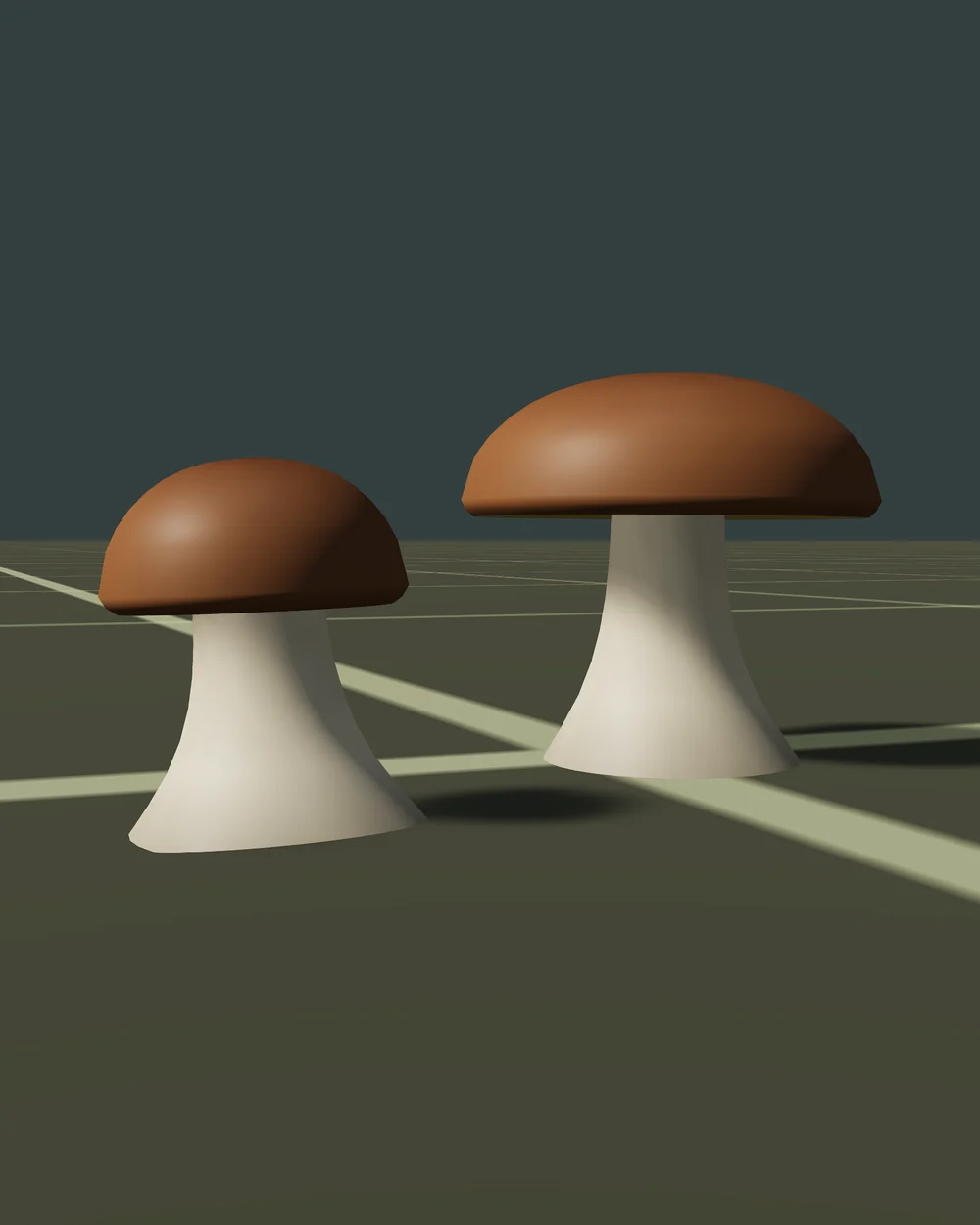
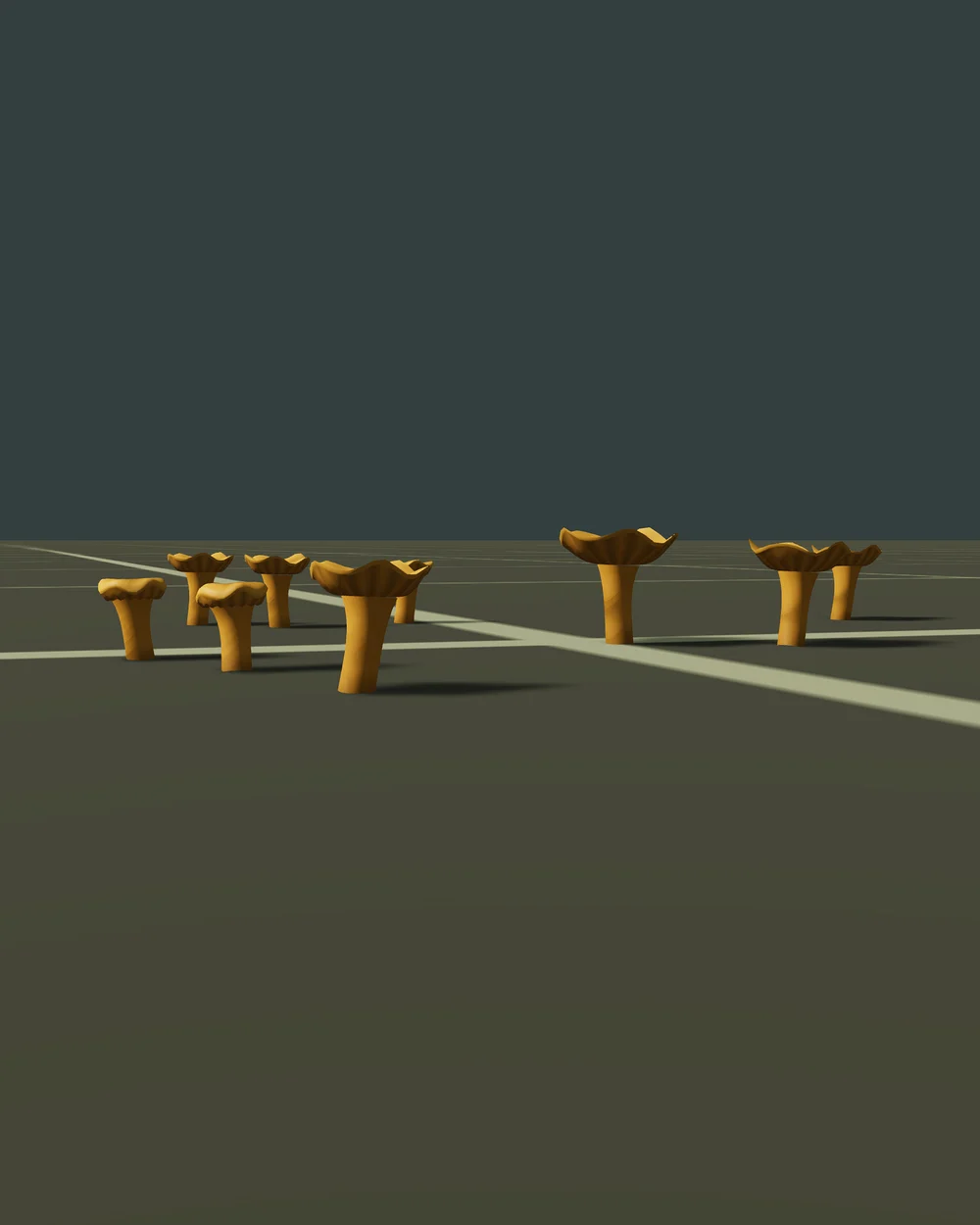
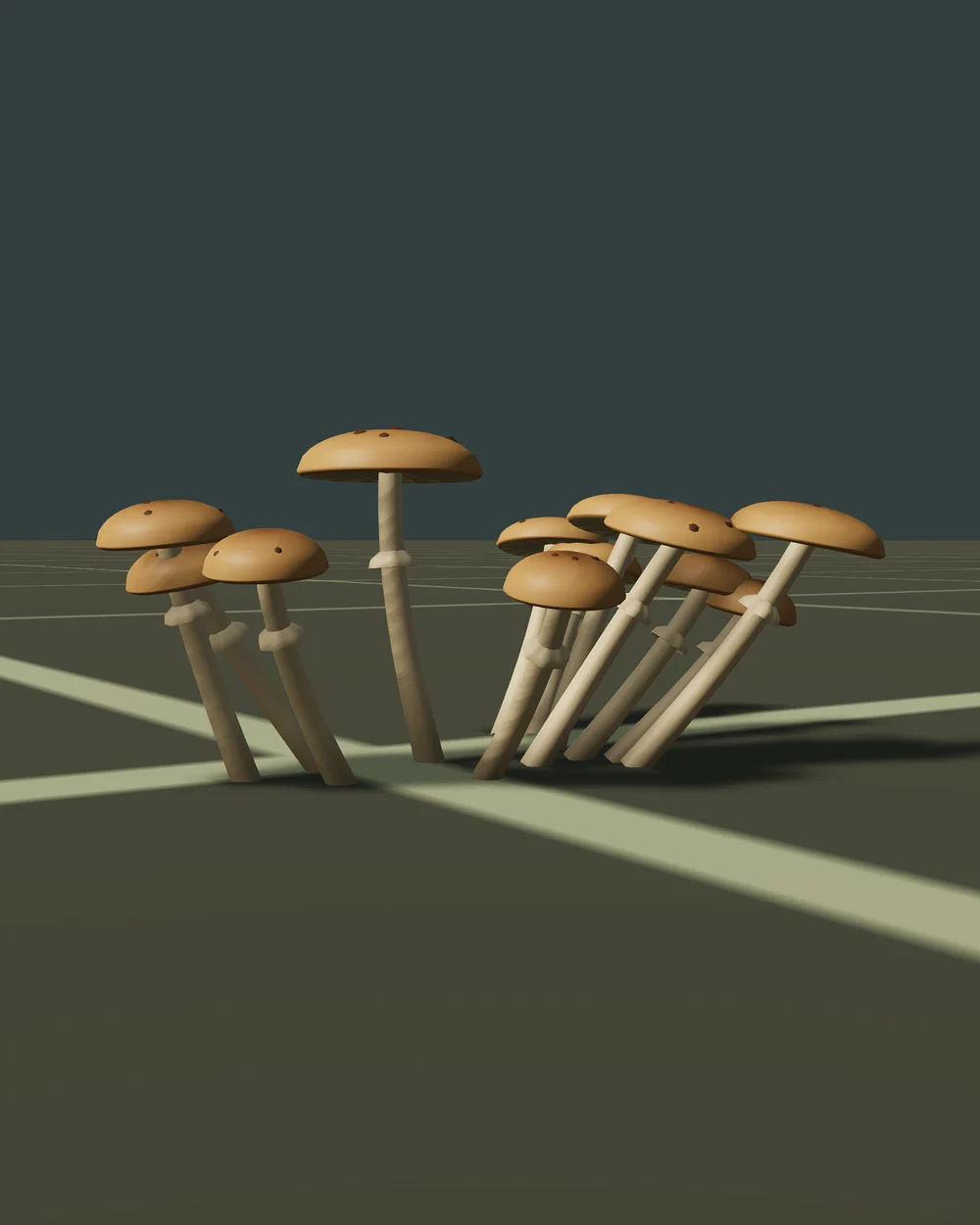
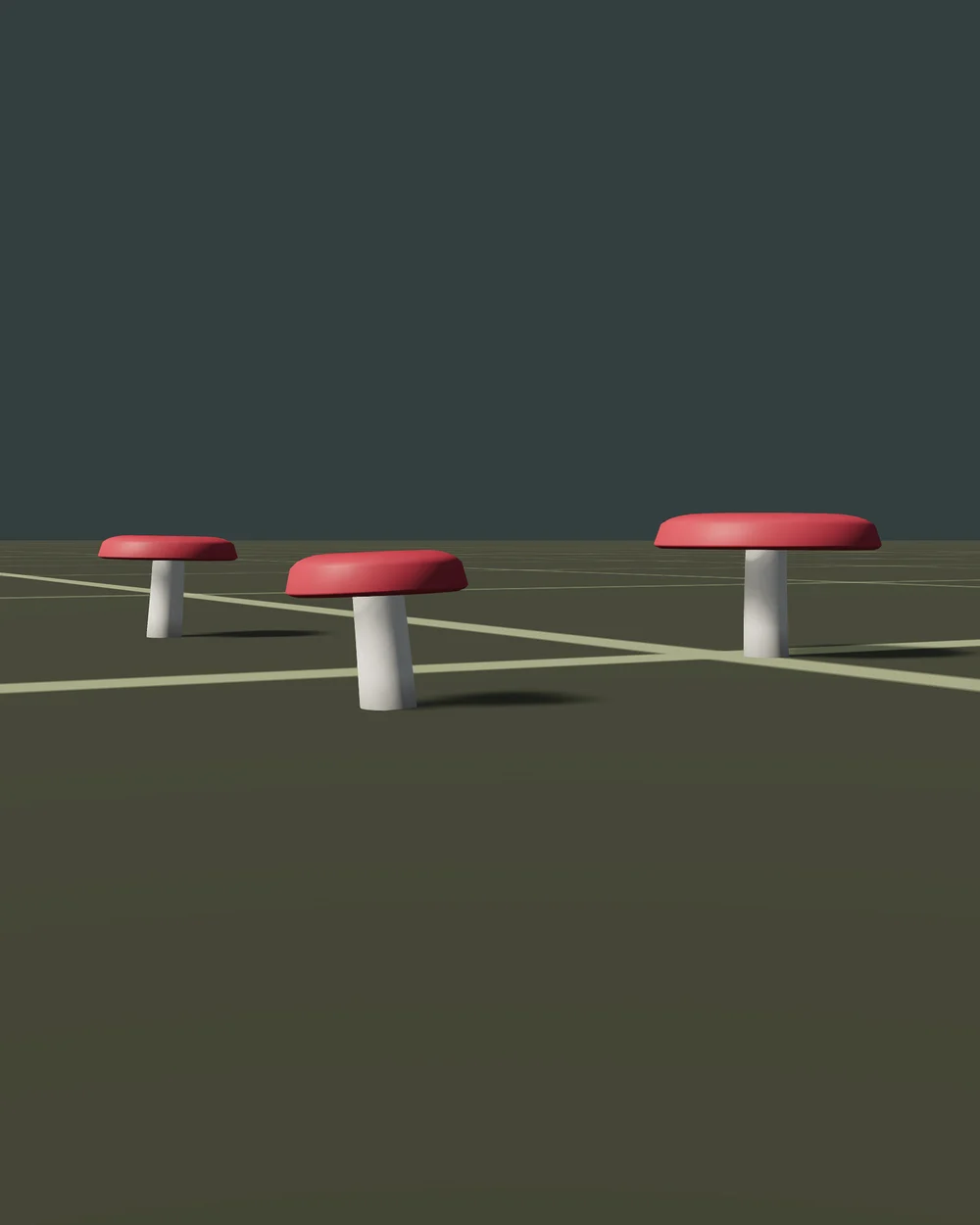
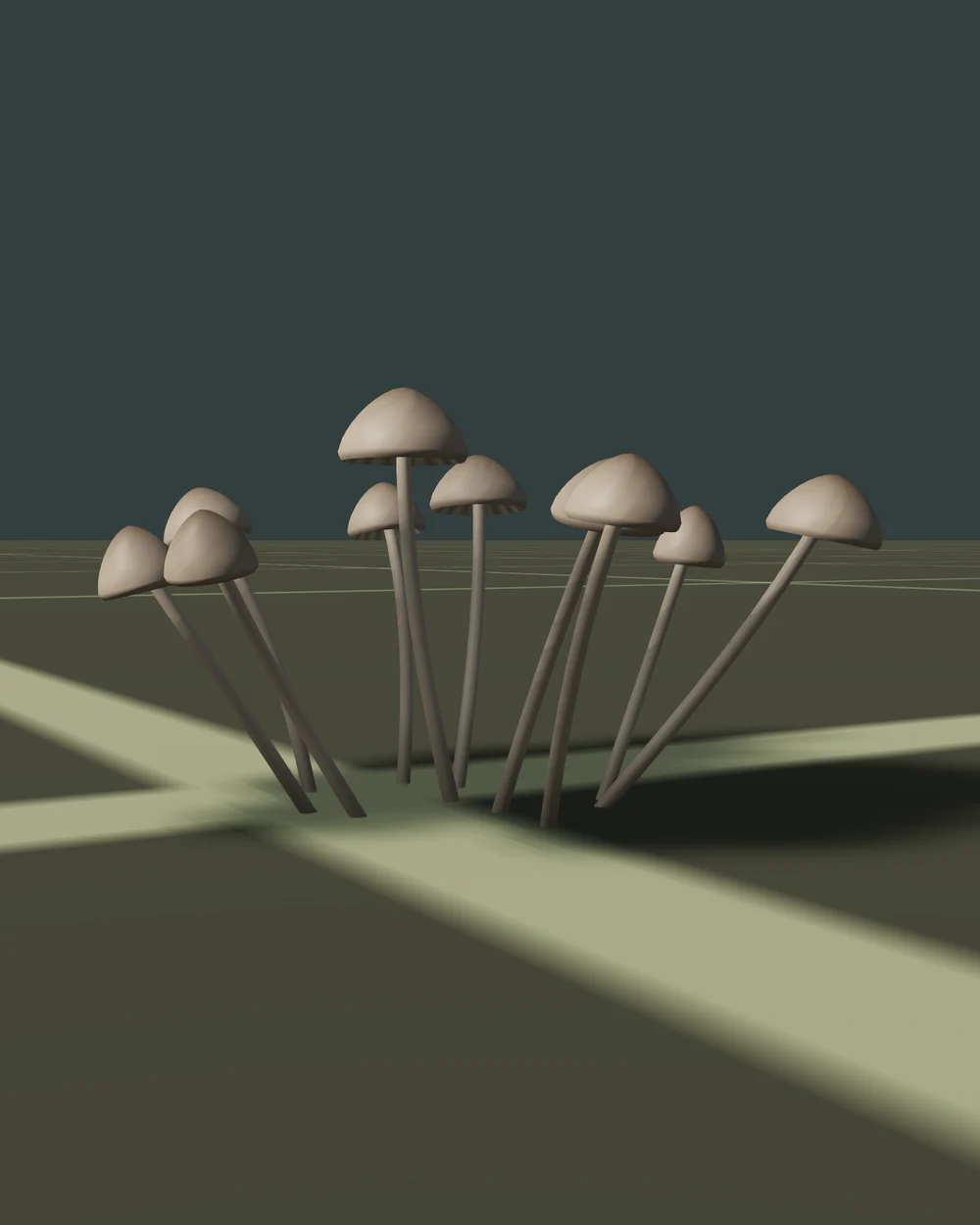
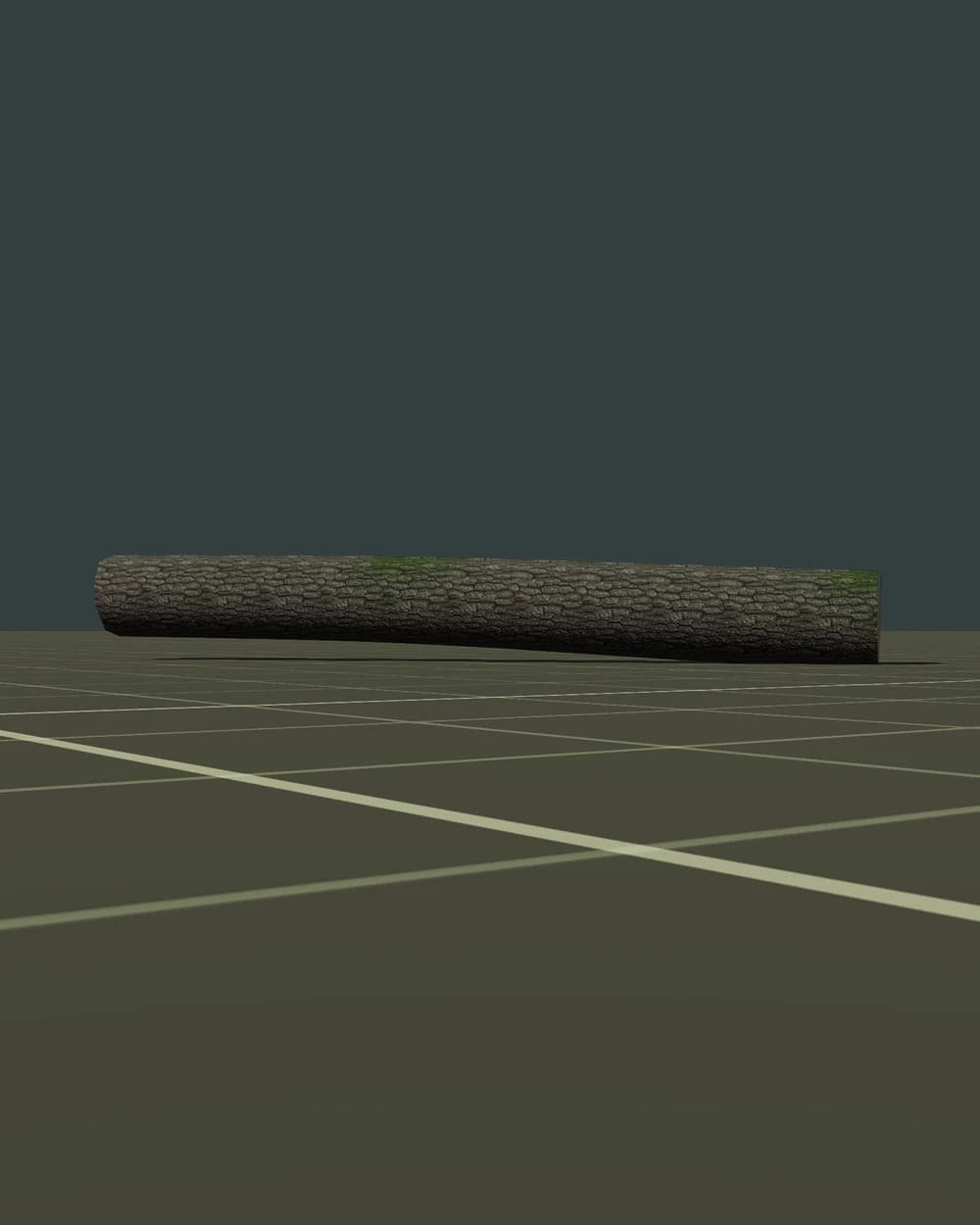
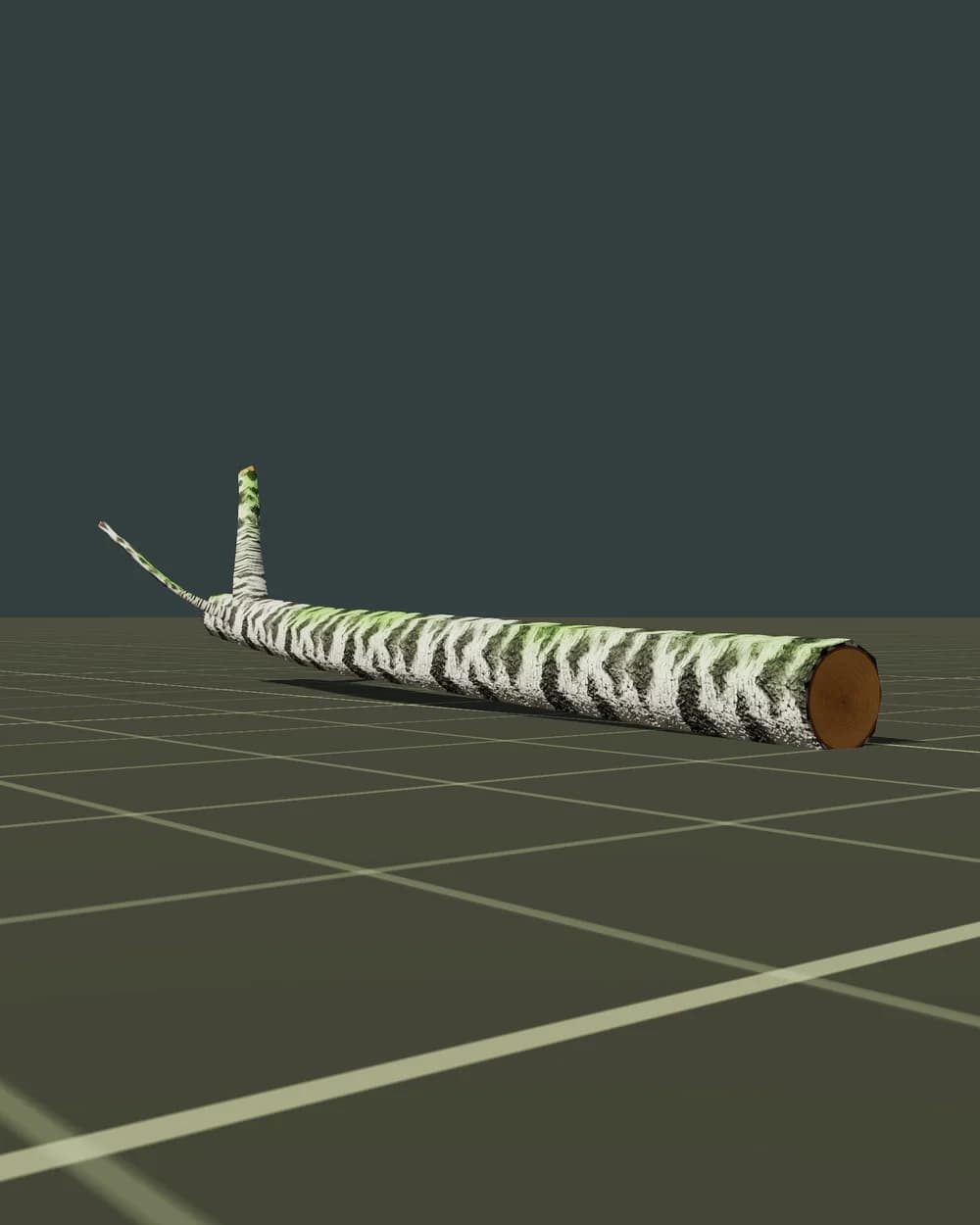
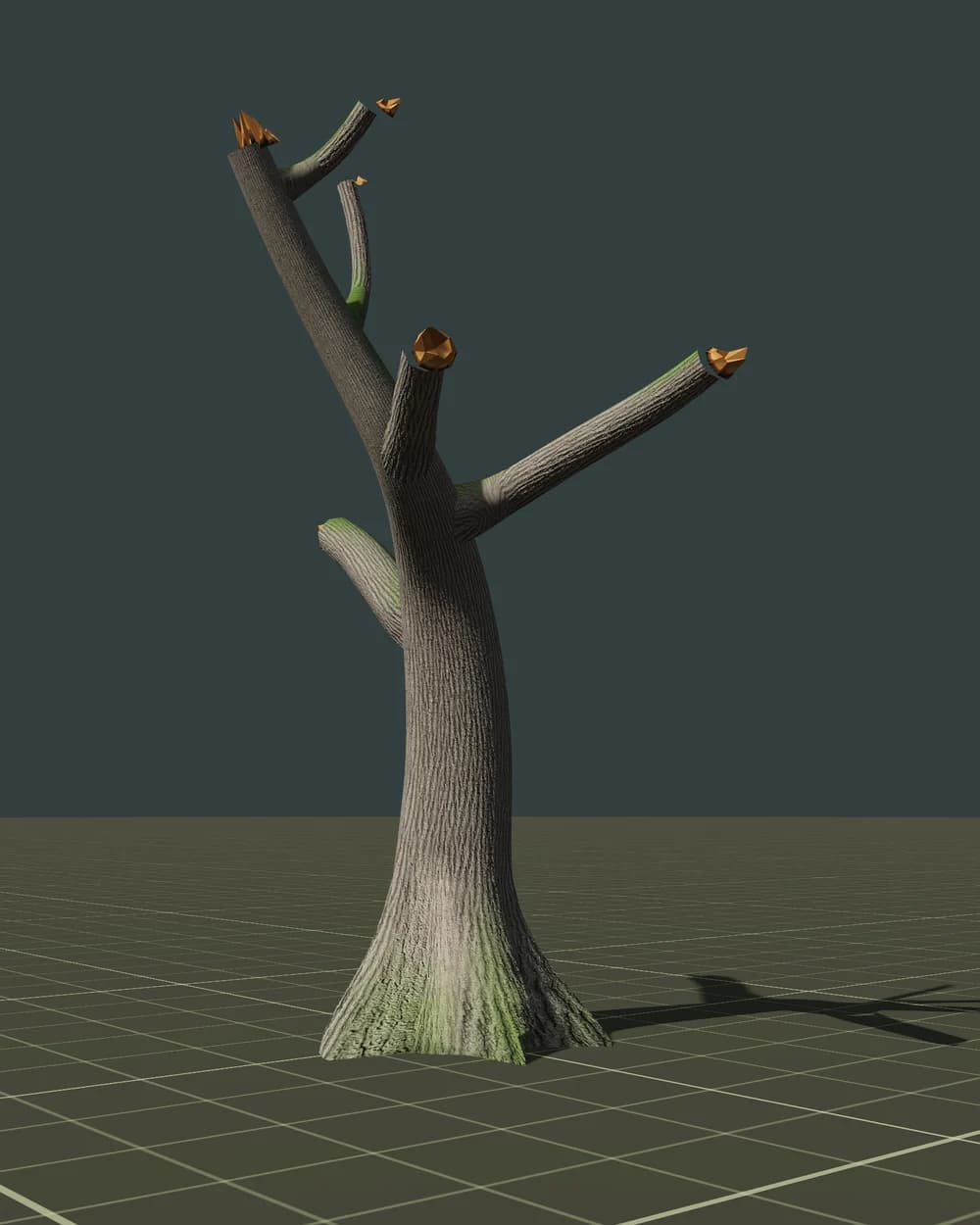
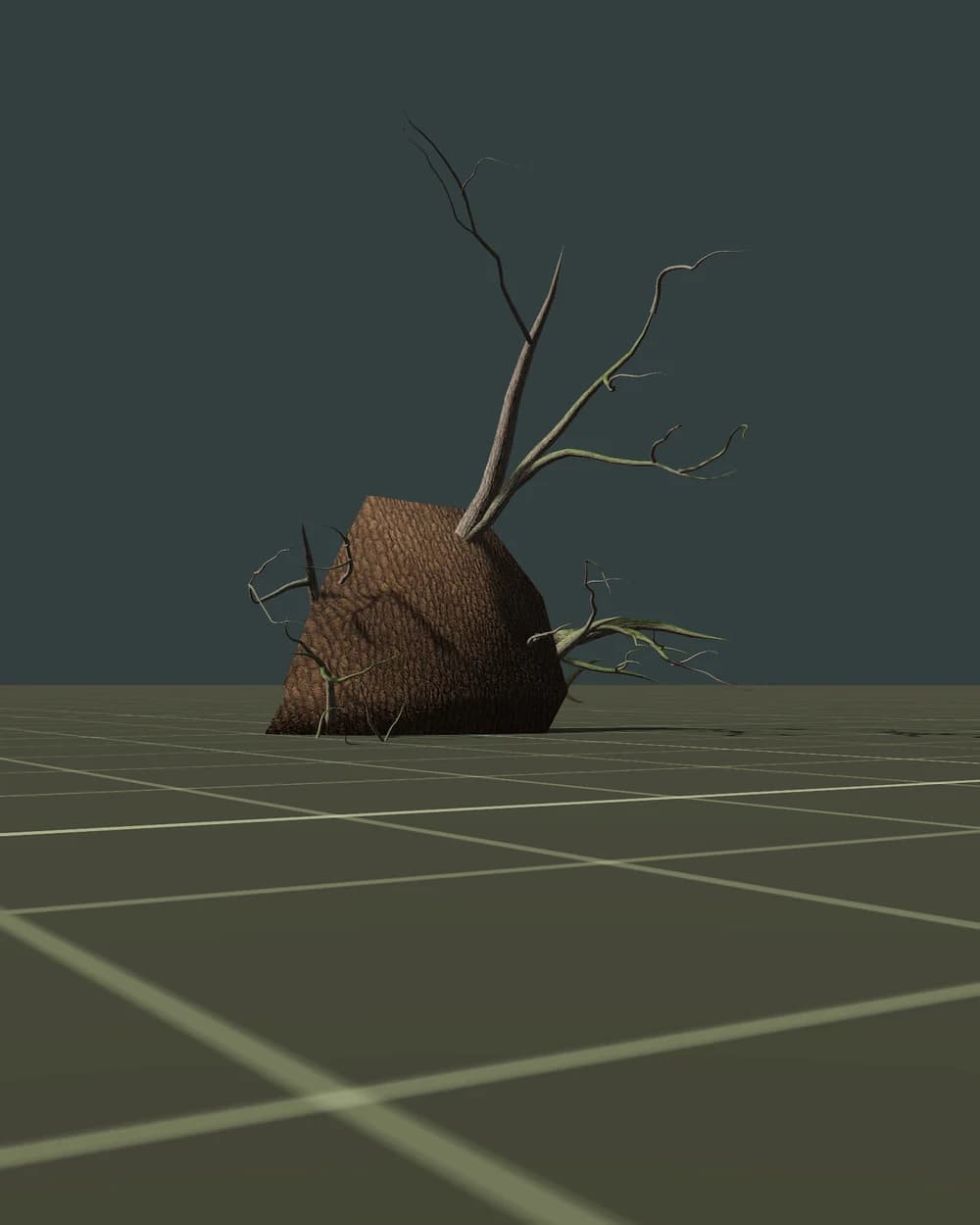
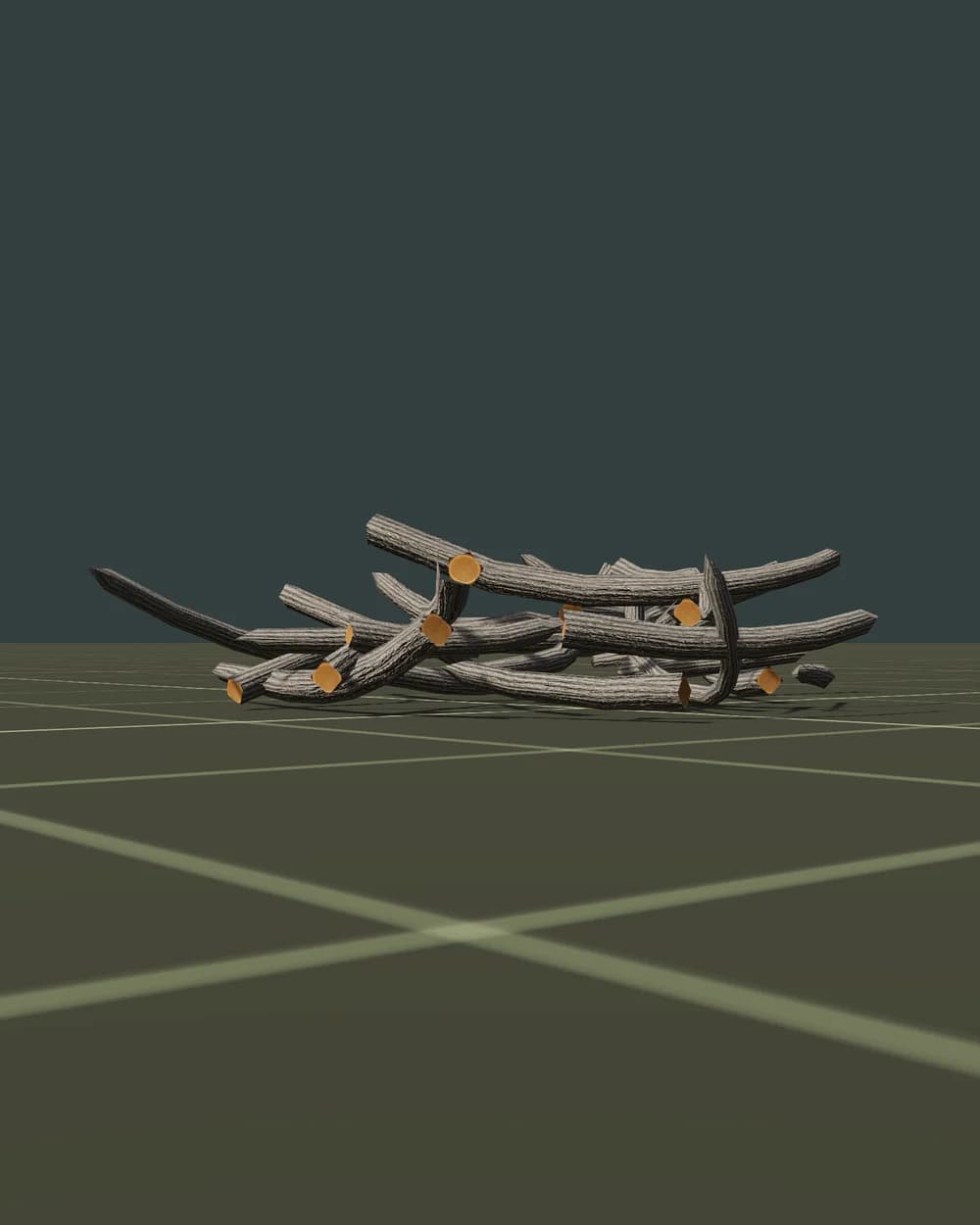
Vegetation for Babylon.js in GLB: import it with SceneLoader, connect the LOD levels and build forests that run in the browser. This group covers the litter of a forest floor: mushrooms such as fly agaric, porcini, chanterelles, honey fungus, russulas and bonnets, plus fallen logs, a birch log, snags with bracket fungi, a stump, a root plate and piles of brushwood. They make woodland feel lived-in. Each model ships with LOD0 to LOD3, collision and a pivot at the base, so logs and stumps sit solidly on uneven ground. Snags and root plates act as landmarks, while mushrooms and brushwood fill gaps. Every seed changes the cap shape, branching or bark pattern, and the models export as GLB, FBX and OBJ for Unity, Unreal Engine, Godot and Bevy. 13 game-ready models in this selection. Every model has LOD0–LOD3, collision and a pivot at the base, and each new seed gives a new variation of the same species.

Models
13
Levels of detail
LOD0 – LOD3
Formats
GLB · FBX · OBJ

Using it in Babylon.js

Babylon.js loads GLB through the glTF loader in @babylonjs/loaders: ImportMeshAsync (or SceneLoader.ImportMeshAsync in older code), or LoadAssetContainerAsync when you need many copies via instantiateModelsToScene.

  • LOD: lod0.addLODLevel(30, lod1), addLODLevel(80, lod2) and so on; passing null as the mesh hides the object beyond that distance.
  • Thousands of trees: thin instances (thinInstanceAdd with matrices) render in one draw call per mesh; use regular createInstance when each tree needs its own picking or logic.
  • Leaves: glTF MASK maps to alpha-tested PBRMaterial (MATERIAL_ALPHATEST).
  • Collision mesh: set isVisible = false and use it with checkCollisions or Havok physics (PhysicsAggregate with a MESH shape).

Other categories

Same in other styles

Same for other engines