
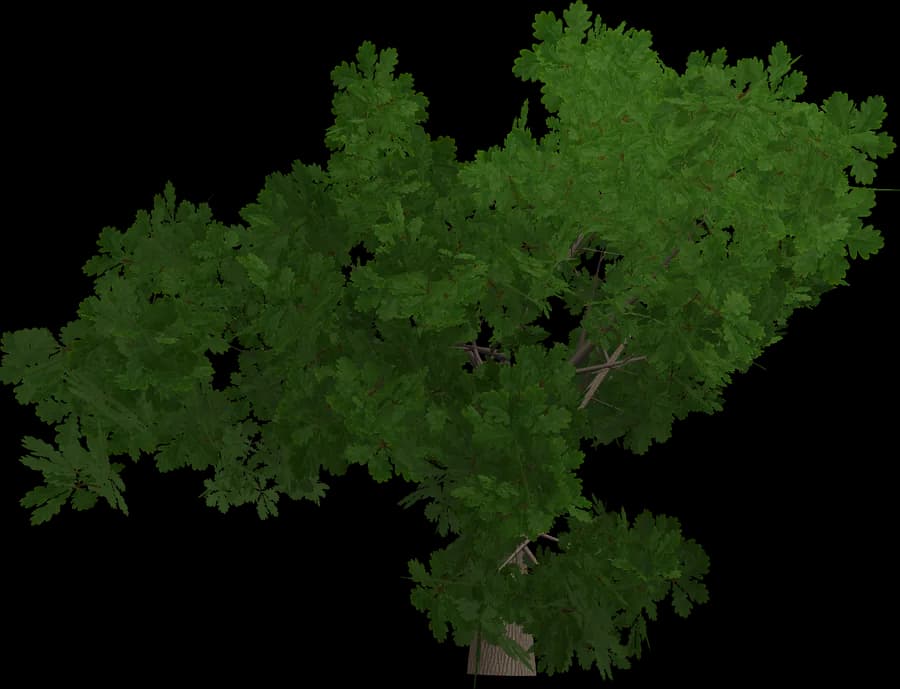
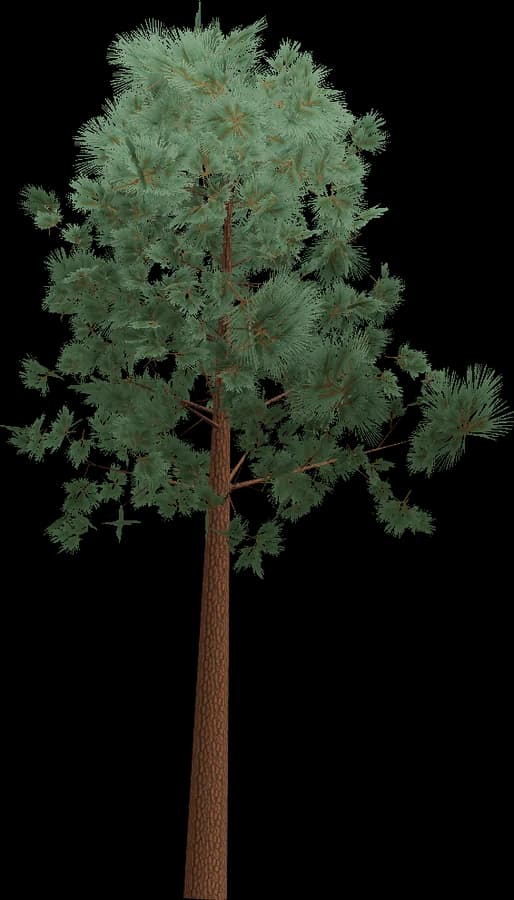
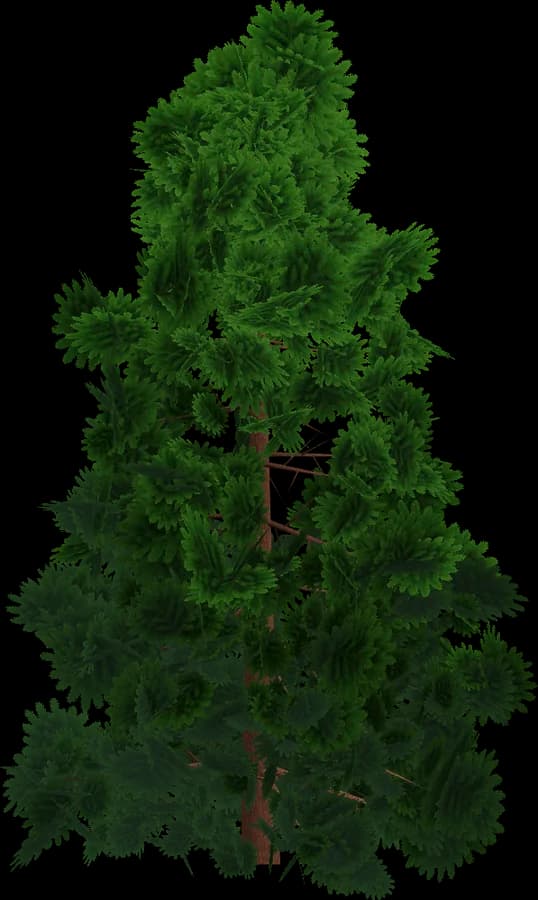
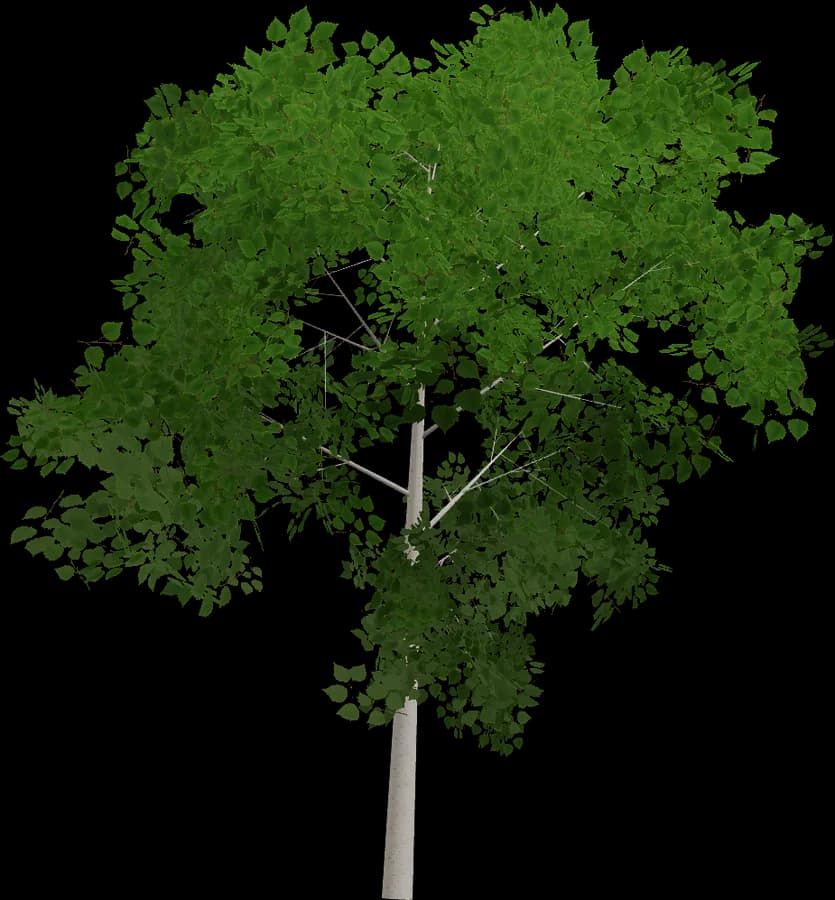
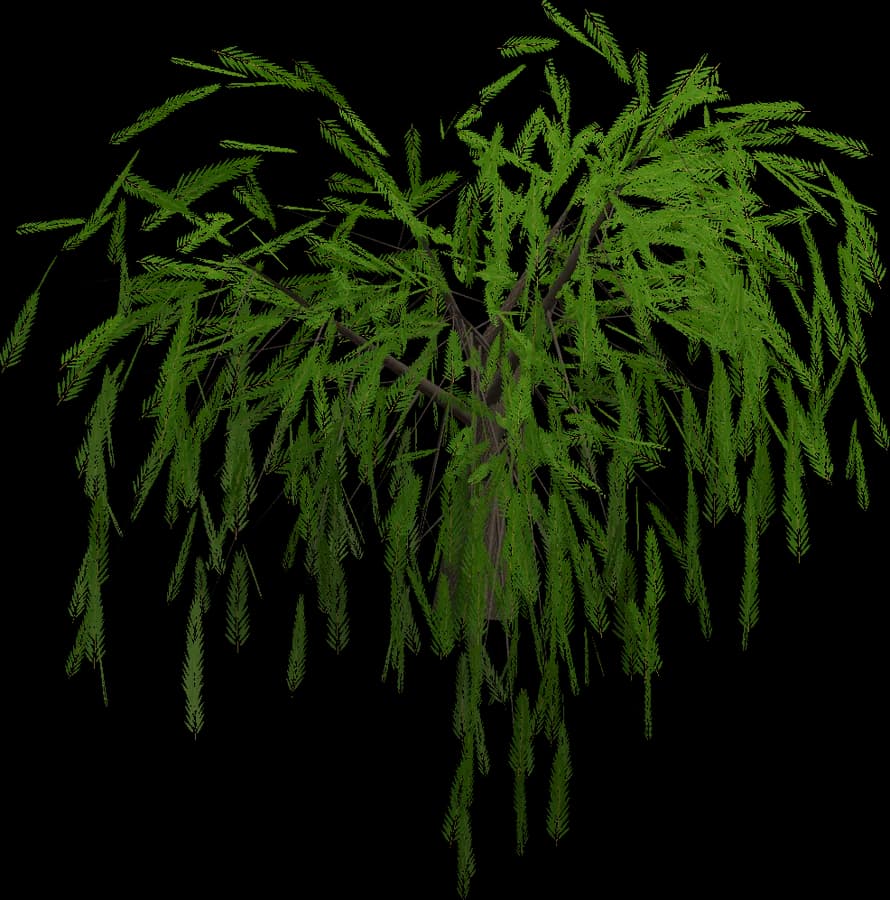
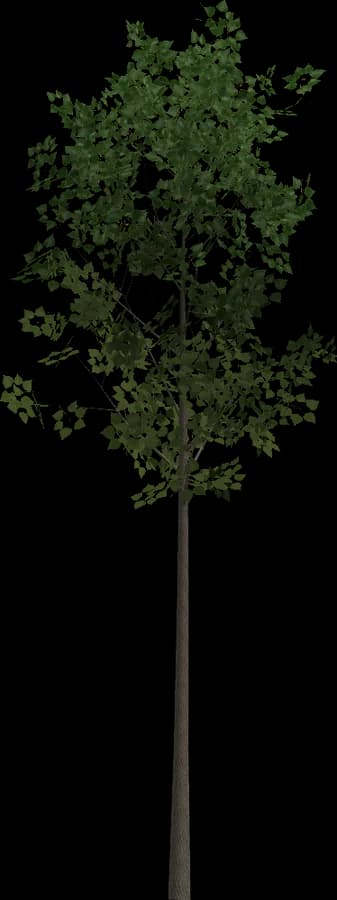
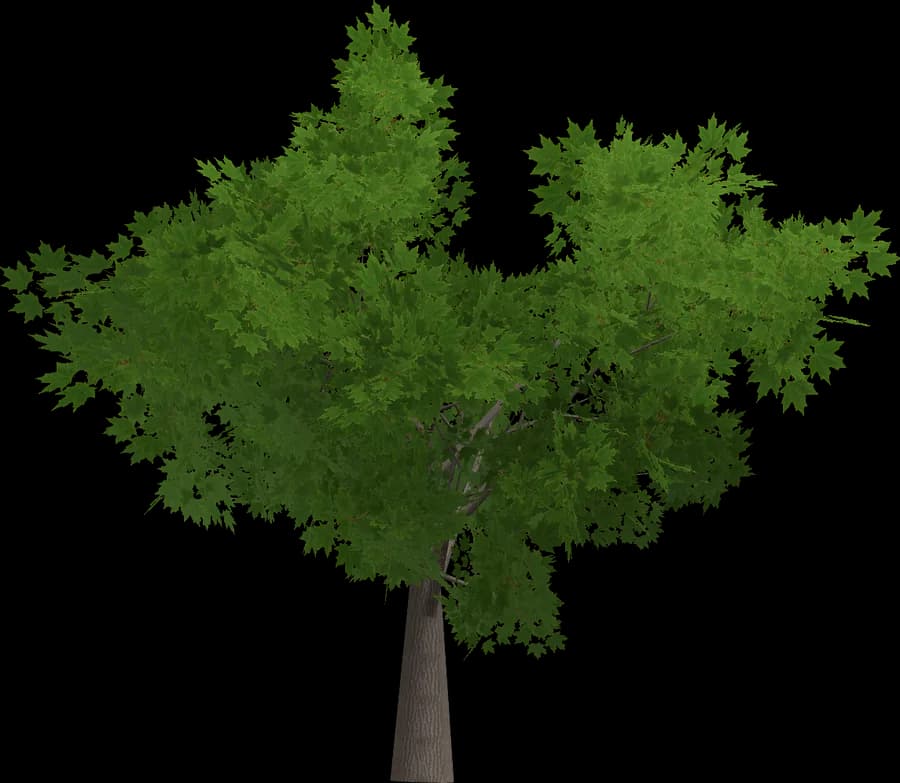
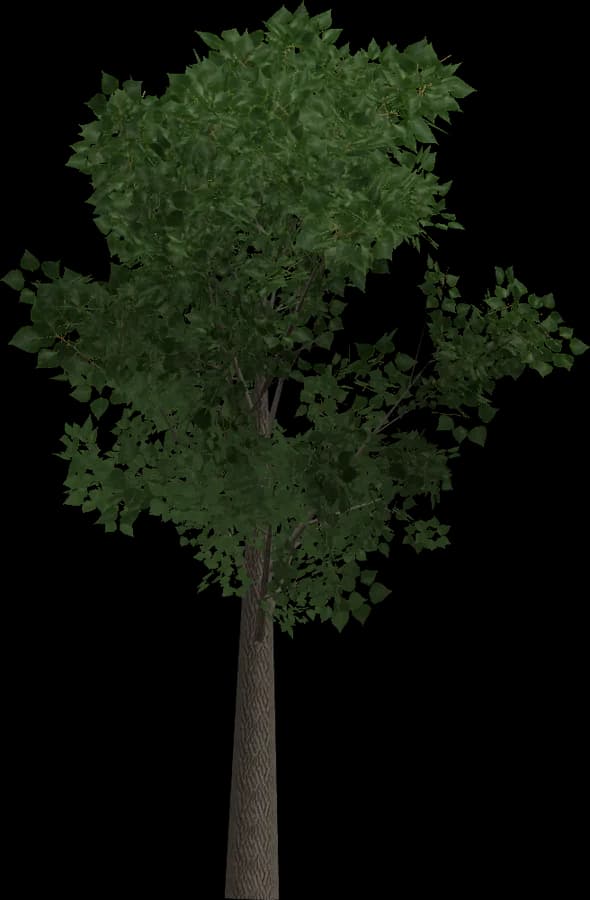
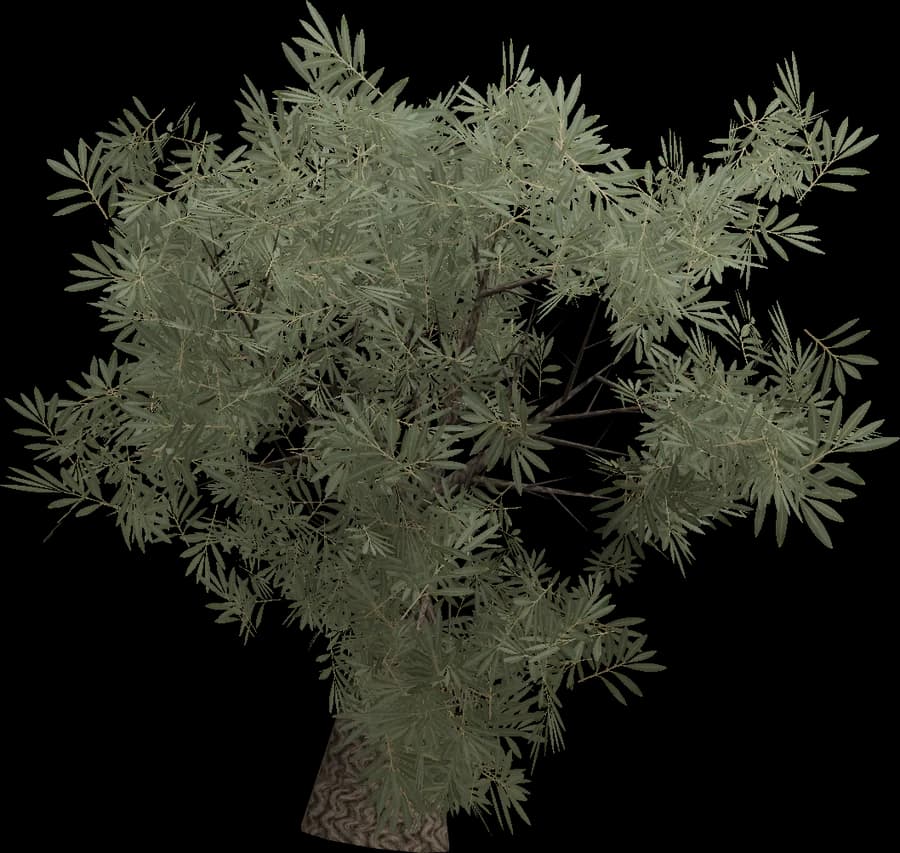
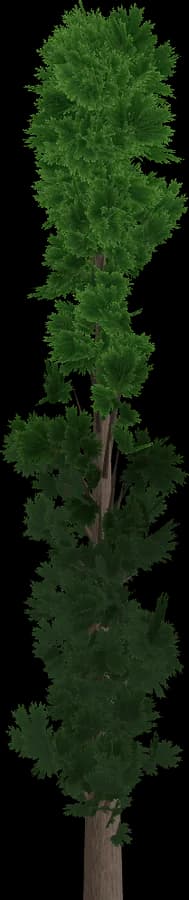
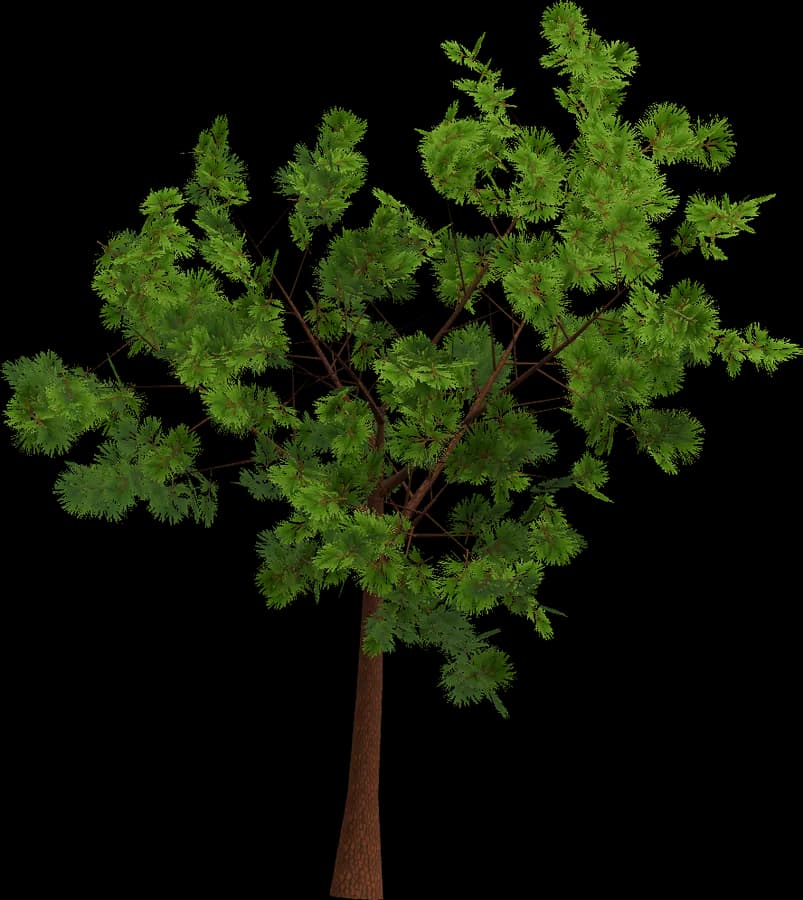
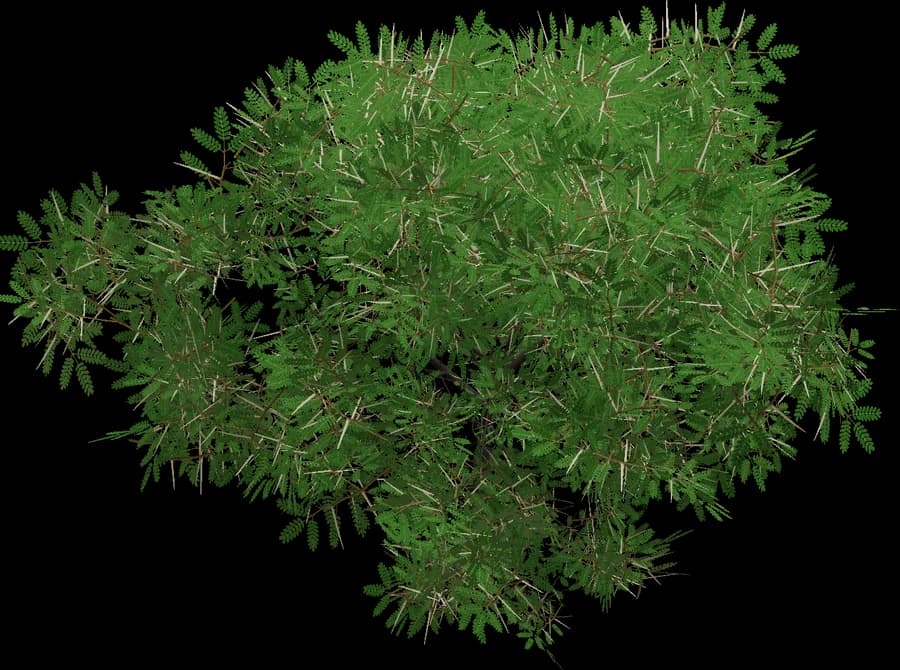
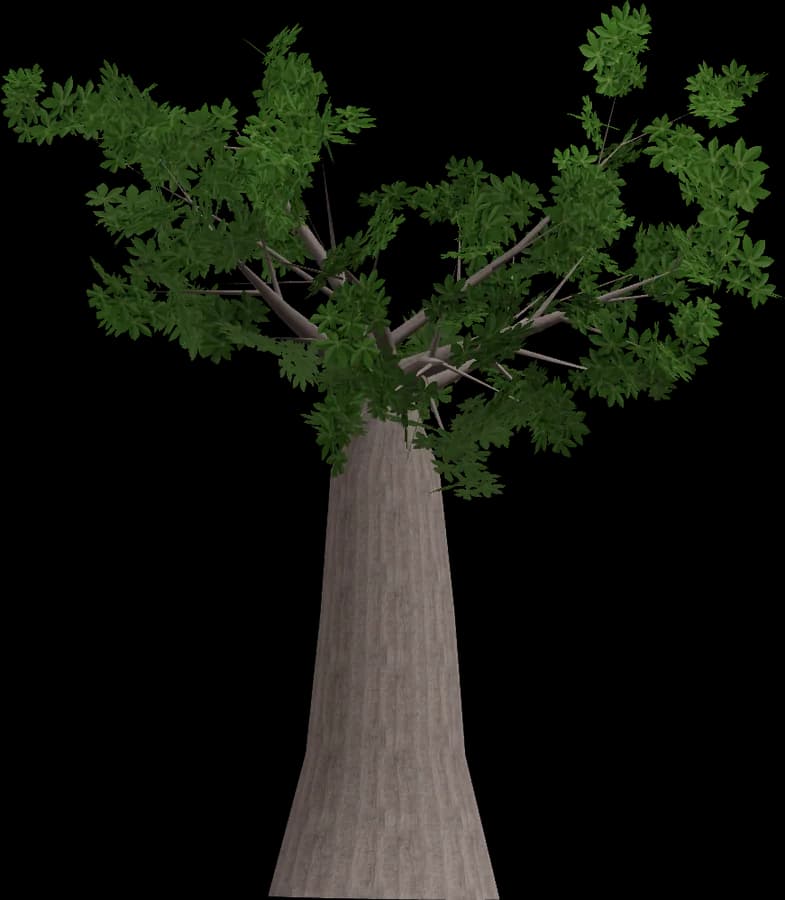
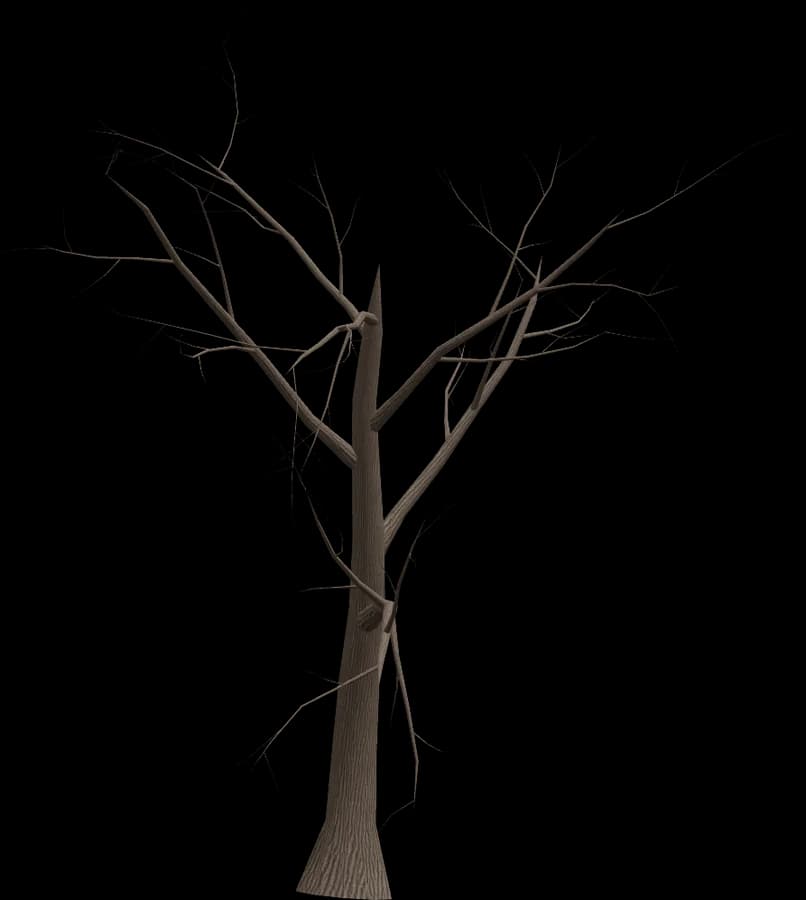
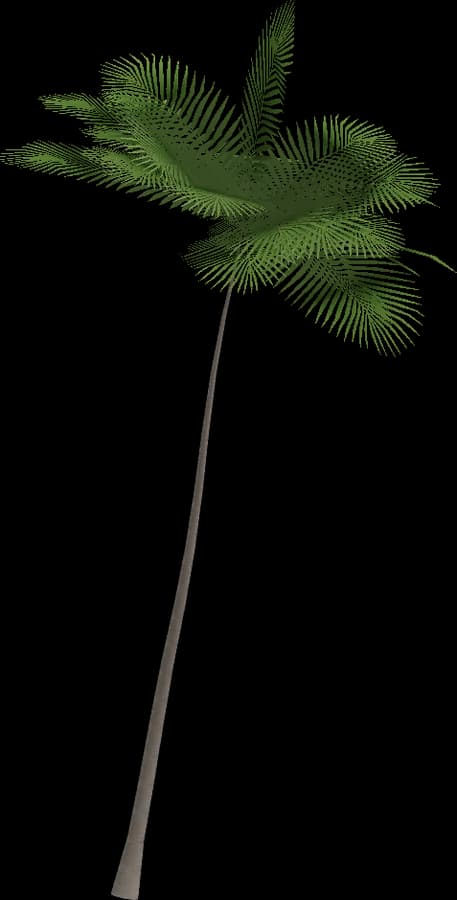
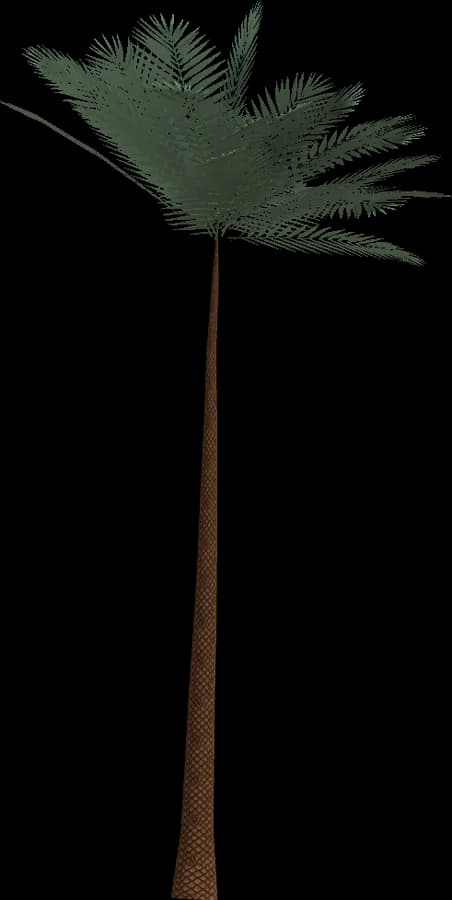
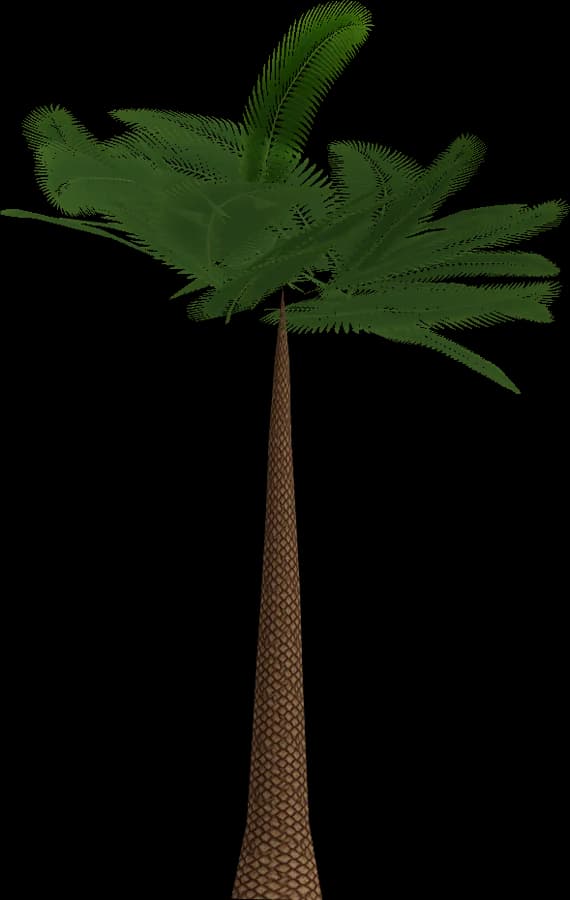
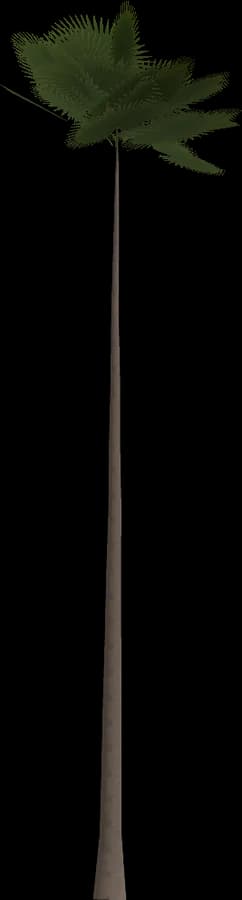
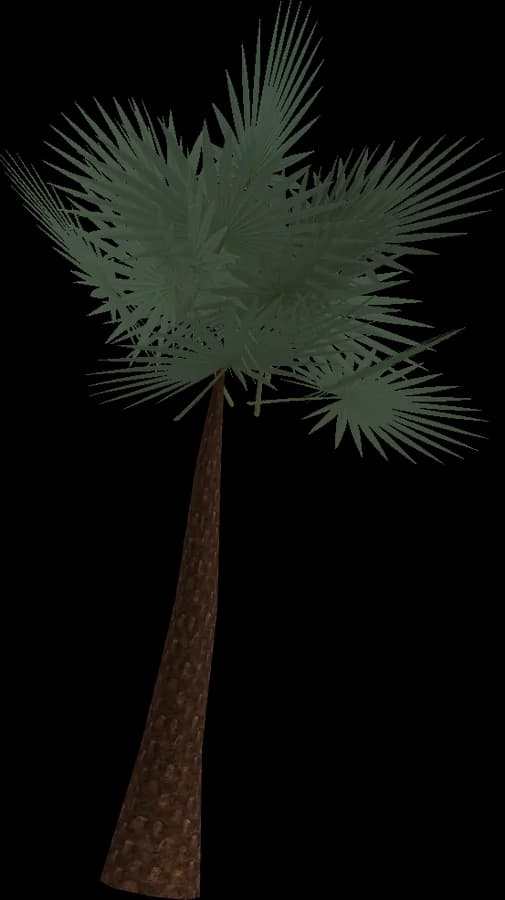
About the Low-poly style
Low-poly vegetation is the cheapest style to render and to ship.
- Flat shading: one normal per face gives the crisp faceted look; no normal maps.
- Colour lives in vertex colours (glTF COLOR_0), so there are no textures, no UV work and almost no video memory.
- Leaves are solid geometry, not alpha cards: no alpha testing and no transparent overdraw, which matters on mobile GPUs.
- One material can be shared by every model in the scene, so trees batch and instance easily.
- Typical budgets range from a few hundred to a couple of thousand triangles at LOD0.
A good fit for mobile, WebGL/WebGPU, VR, strategy, city builders and stylised indie games. In the engine, use a material that multiplies by vertex colour.
Using it in three.js
In three.js, load GLB with GLTFLoader from three/addons; add DRACOLoader or KTX2Loader only if a file uses those extensions.
- Distance LOD:
THREE.LODwithlod.addLevel(mesh, distance)for LOD0–LOD3; it switches levels by camera distance every frame. - Forests:
InstancedMeshdraws thousands of copies in one draw call, andBatchedMeshmixes several tree variations.THREE.LODdoes not apply per instance, so group instances by LOD per chunk yourself. - Leaves: glTF alphaMode MASK becomes
material.alphaTest, and double-sided materials getside: THREE.DoubleSideautomatically. - Collision mesh: keep it invisible and pass it to a physics library such as Rapier or cannon-es.
Works with both WebGLRenderer and WebGPURenderer.